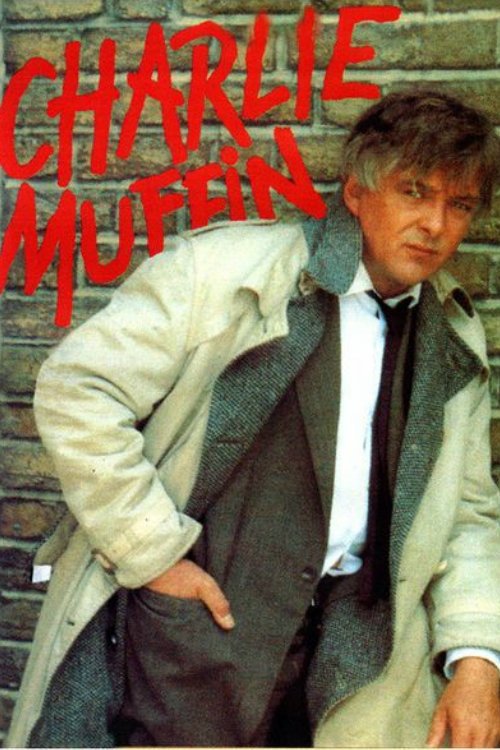
Charlie Muffin
1979
No user ratings available yet
Representation score: 1.5 out of 10
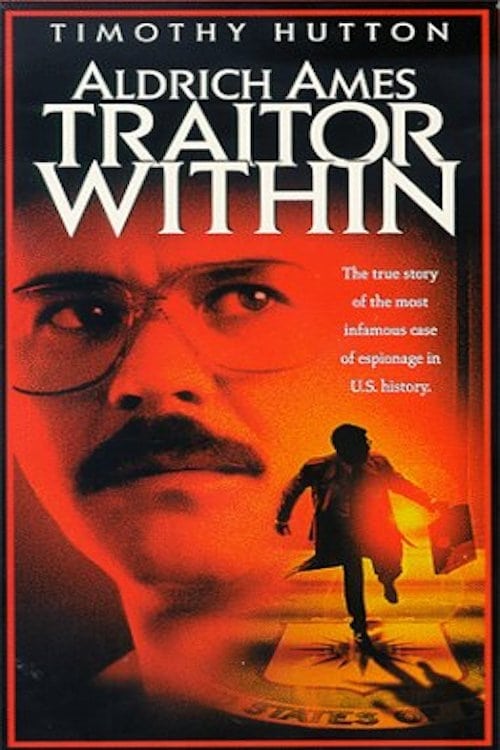
Representation Score
Minimal
1998
PGDirector
John Mackenzie
Runtime
100 minutes
Average Rating
No ratings yetNew Showbiz Analysis
This biographical thriller prioritizes historical accuracy and the psychological study of a single individual over diverse representation. The narrative structure relies on conventional hierarchies and social roles of the time. The film mirrors the homogeneous demographic of the intelligence community during the depicted period. It serves as a character study of personal moral failure without addressing broader systemic issues. Ultimately, the production adheres to traditional formulas, focusing on a narrow demographic and failing to represent underrepresented identities or challenge established social norms.
Category Breakdown
The film does not include any LGBTQ+ characters or representations of non-cisgender identities.
The story focuses on male-dominated institutions. Female characters are limited to the domestic sphere and play minor roles in the espionage plot.
The cast is mainly white and Anglo-Saxon, reflecting the historical demographics of the CIA during the late 1980s and early 1990s. There are no intentional efforts to diversify the cast.
The narrative emphasizes individual corruption and personal greed, framing the protagonist's actions as a betrayal of national security. It does not address systemic or cultural issues.
There is no representation of physical, sensory, or neurodivergent disabilities. Characters are not used as plot devices involving disability.
Present on Screen
Limited or Absent
Official Synopsis
Fact-based story about a 90's espionage case that was chronicled as the worst case of espionage in US history
1979
1985

1990
2009

2002

1987
2000

2018
No reviews yet. Be the first to share your thoughts on this movie!
Use the rating form above to leave a star rating and optional review.