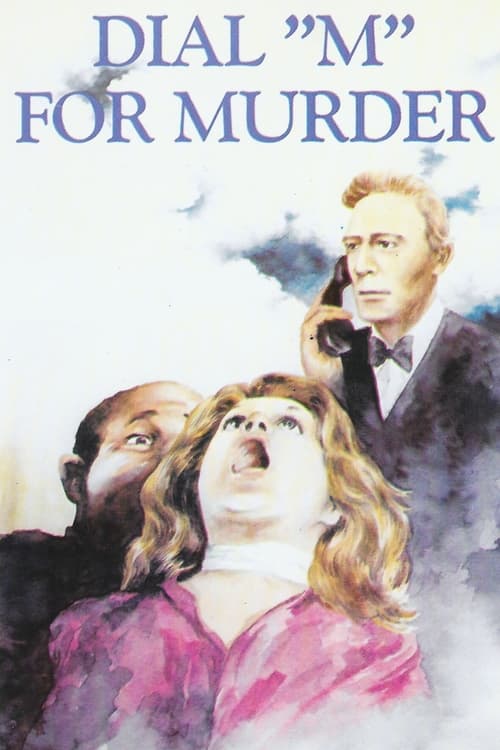
Dial M for Murder
1981
No user ratings available yet
Representation score: 1.4 out of 10
Representation Score
Minimal
1996
RDirector
Brian Trenchard-Smith
Runtime
99 minutes
Average Rating
No ratings yetNew Showbiz Analysis
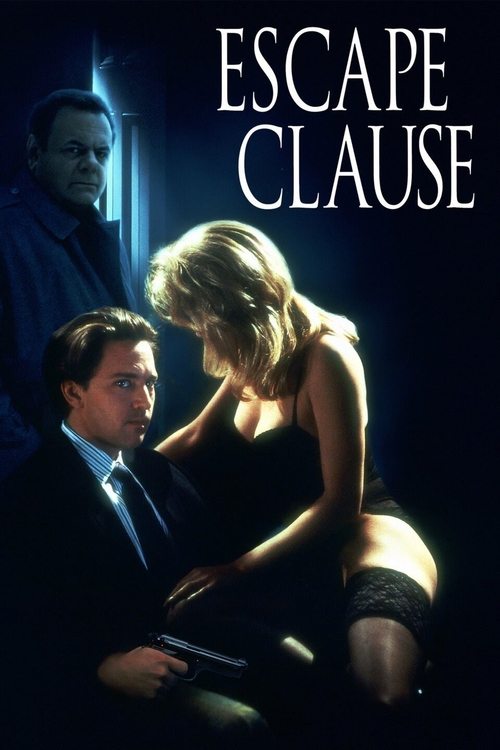
Escape Clause is a traditional suspense thriller that emphasizes action and personal betrayal rather than social commentary. The story centers on a man caught in a dangerous situation after his wife tries to kill him, emphasizing individual actions and personal conflicts. The film adheres to established mid-1990s genre conventions rather than challenging social hierarchies. It functions as a straightforward crime drama where the stakes are personal rather than systemic. Because the film lacks documented intentionality regarding overlapping aspects of identity, it remains a conventional genre piece.
Category Breakdown
The film does not include any characters or narratives related to LGBTQ+ individuals. It does not address or question the assumption that everyone is straight or cisgender.
The story revolves around a troubled marriage. The wife plays a significant role as a criminal antagonist, but the plot follows typical domestic thriller clichés.
No information is available about the racial makeup of the cast. Therefore, there is no assessment of ethnic diversity or the overlapping aspects of identity.
The narrative focuses on personal morality and survival. It does not critique institutions and operates within a standard framework of personal crime and consequences.
There is no information available about the inclusion of characters with visible or invisible disabilities in this production.
Present on Screen
Limited or Absent
Official Synopsis
A man finds out that his wife has paid $10,000 to have him killed. Then both the would-be killer and the wife turn up dead ...
1981

1990

1994

1989

2018

1997

2019

1995
No reviews yet. Be the first to share your thoughts on this movie!
Use the rating form above to leave a star rating and optional review.