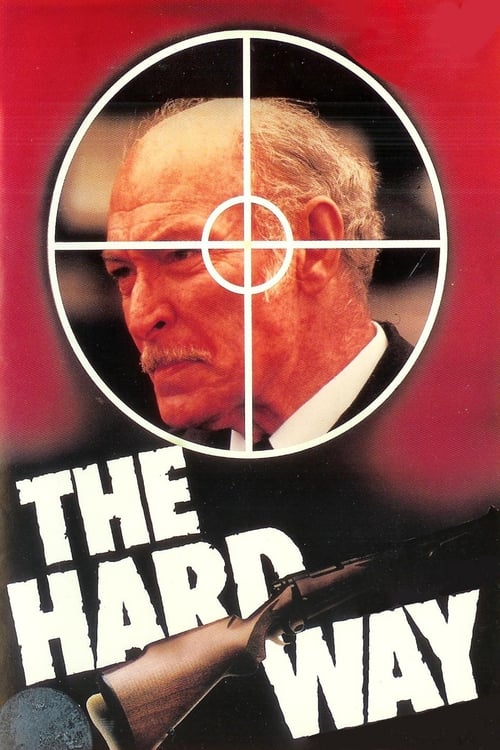
The Hard Way
1980
No user ratings available yet
Representation score: 1.4 out of 10
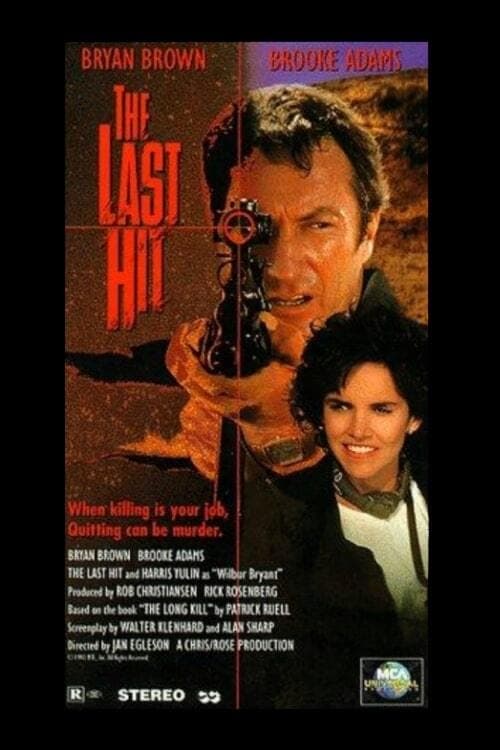
Representation Score
Limited
1993
RDirector
Jan Egleson
Runtime
93 minutes
Average Rating
No ratings yetNew Showbiz Analysis
The Last Hit operates as a typical 1990s thriller that emphasizes genre conventions over diverse representation. The narrative structure revolves around a single, masculine protagonist, which restricts opportunities for multi-layered character development. Although the New Mexico setting offers possibilities for rich cultural representation, the film concentrates on individual ability to act and conventional plot progression. It lacks the complexity needed to challenge social hierarchies or include diverse perspectives. Ultimately, the film adheres to the era's standard industry practices, favoring traditional archetypes and homogeneous casting over inclusive representation.
Category Breakdown
The film does not include any LGBTQ+ characters or narratives. It follows traditional 1990s thriller themes centered around heterosexual relationships.
The story centers on a retired assassin, a role traditionally associated with masculine strength and dominance. Female characters tend to play supporting roles, reacting to the main male character's actions.
Despite being set in New Mexico, the film features a predominantly white cast. The narrative reflects a trend from that era of having mostly white protagonists.
The film uses the 'retired professional' cliché, focusing on individual survival. It does not critically examine social or religious institutions.
There is no evidence of characters with physical or cognitive differences in the film.
Present on Screen
Limited or Absent
Official Synopsis
A retired asassin tries to make himself at home in New Mexico.
1980
2006
2021
2005

1997
1998
1995
2010
No reviews yet. Be the first to share your thoughts on this movie!
Use the rating form above to leave a star rating and optional review.