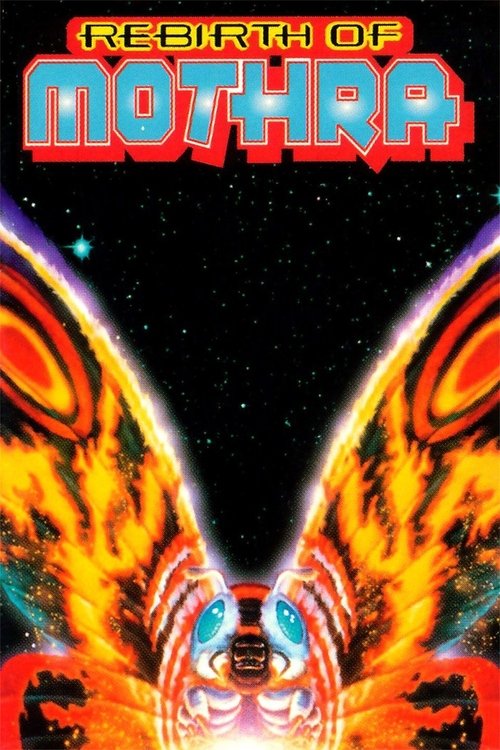
Rebirth of Mothra
1996
No user ratings available yet
Representation score: 1.8 out of 10
Representation Score
Fair
1997
UnratedDirector
Kunio Miyoshi
Runtime
97 minutes
Average Rating
No ratings yetNew Showbiz Analysis
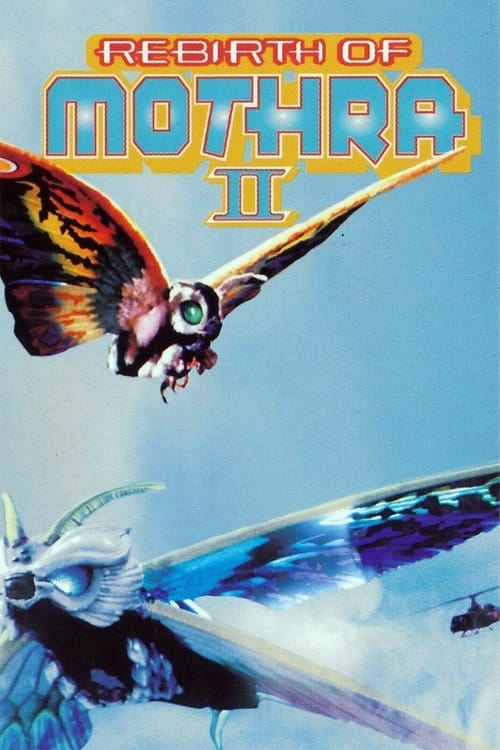
Rebirth of Mothra II is a traditional kaiju film that emphasizes ecological stewardship and mythological themes over social critique. The film operates within a conventional framework, focusing on the relationship between humans and nature through established genre clichés. While the film provides meaningful roles for women in scientific and spiritual capacities, it lacks broader diversity. The narrative structure is designed for spectacle and environmental themes rather than challenging social hierarchies. Ultimately, the production remains culturally specific and homogeneous, offering a stable but conventional viewing experience without delving into complex social or identity-based commentary.
Category Breakdown
The film does not include any characters who identify as LGBTQ+. It sticks to traditional genre conventions without addressing sexual orientation.
Female characters have significant roles through their scientific knowledge and spiritual connections to Mothra. However, the story follows typical gender stereotypes without challenging them.
The cast is mainly Japanese, reflecting the film's cultural roots. While culturally authentic, the ensemble remains largely homogeneous.
The story explores environmentalism and spirituality linked to Mothra. It emphasizes collective responsibility without offering specific critiques of Western or capitalist systems.
The film does not focus on characters with visible or invisible disabilities. Characters are defined by their professional roles in science or the military rather than physical or mental conditions.
Present on Screen
Limited or Absent
Official Synopsis
The fairies from Infant Island discover a lost city, as well as a giant monster that is attracted to environmental calamities.
1996
2003
1998
1961

2006
2024

1995
1999
No reviews yet. Be the first to share your thoughts on this movie!
Use the rating form above to leave a star rating and optional review.