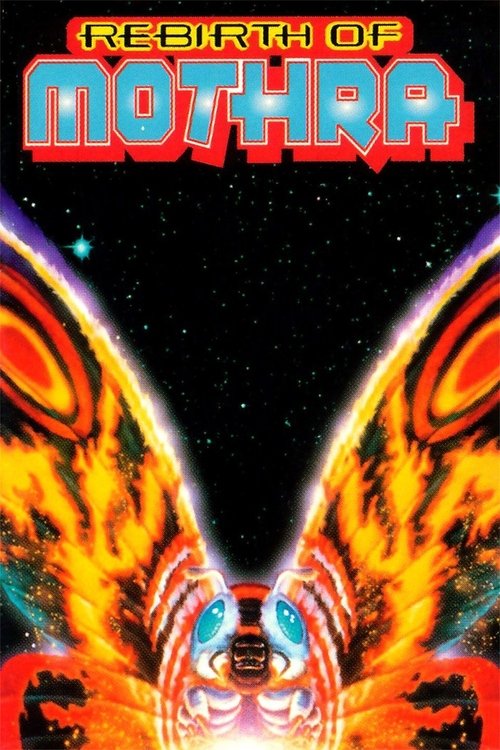
Rebirth of Mothra
1996
No user ratings available yet
Representation score: 1.8 out of 10
Representation Score
Fair
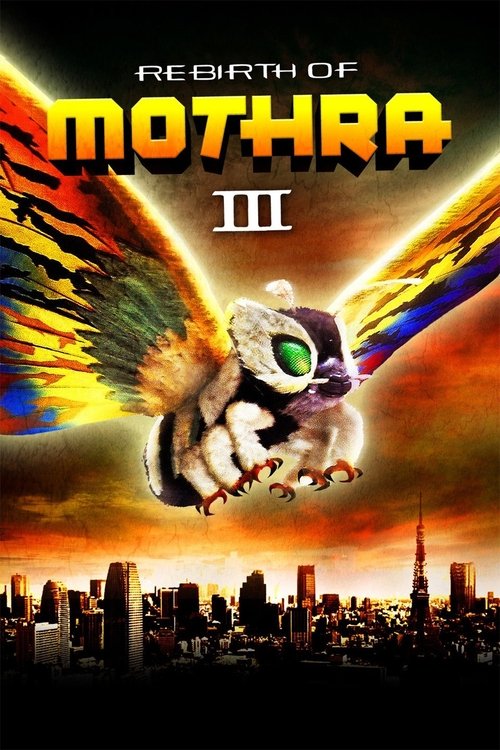
1998
TV-GDirector
Okihiro Yoneda
Runtime
99 minutes
Average Rating
No ratings yetNew Showbiz Analysis
Rebirth of Mothra III stands out by shifting the focus from traditional male-dominated hero narratives to female-led scientific inquiry. It uses its kaiju conflict to critique corporate dominance and environmental exploitation. However, the film’s diversity is limited. It lacks representation of LGBTQ+ identities and characters with disabilities, creating gaps in social inclusivity. It prioritizes environmental ethics over social identity politics, making it a progressive ecological study rather than a diverse social narrative. Ultimately, the film is a culturally specific work that emphasizes ecological ethics over traditional industrial progress.
Category Breakdown
The film does not include any LGBTQ+ characters or explore non-straight relationships. Its focus is on ecological and scientific themes.
Female characters such as Miki play key roles through their intelligence and decisive actions. The film challenges traditional gender stereotypes by highlighting female leadership in science.
The cast is primarily Japanese, reflecting the local context. It addresses global ecological issues from a cultural perspective without excluding other ethnicities.
The story criticizes capitalism by portraying a corporation as the main antagonist. It emphasizes ecological restoration over industrial profit and economic growth.
The film does not depict any physical or cognitive disabilities. There are no character arcs centered around medical or sensory conditions.
Present on Screen
Limited or Absent
Official Synopsis
To save the world, Mothra goes back in time in an attempt to defeat a younger King Ghidorah.
1996
2003
2022
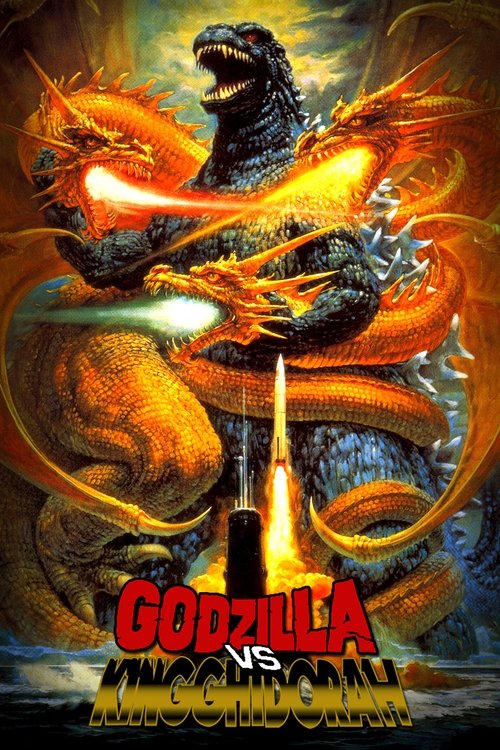
1991
2017
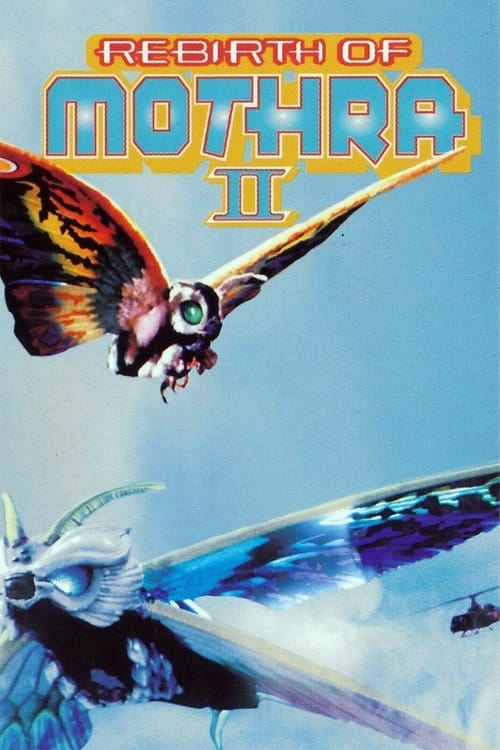
1997
No reviews yet. Be the first to share your thoughts on this movie!
Use the rating form above to leave a star rating and optional review.