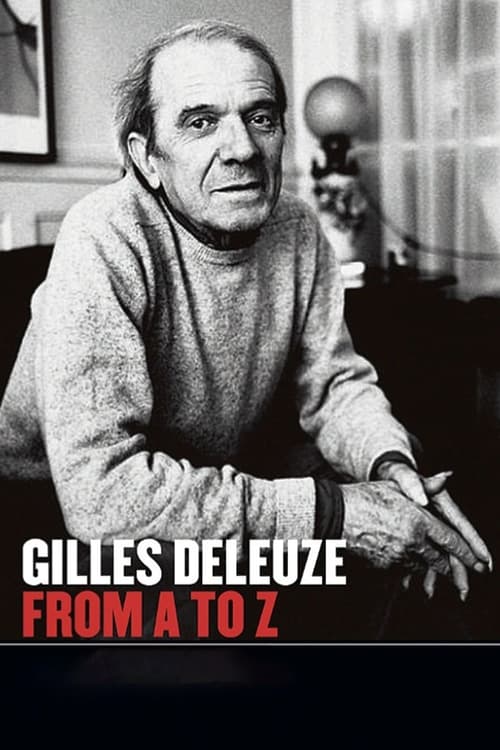
Gilles Deleuze from A to Z
1989
No user ratings available yet
Representation score: 5.6 out of 10

Representation Score
Excellent
1979
Director
Jean-Luc Godard, Anne-Marie Miéville
Runtime
312 minutes
Average Rating
No ratings yetNew Showbiz Analysis
This twelve-part documentary prioritizes intellectual inquiry and the deconstruction of media over traditional character development. Its progressive value lies in its radical subversion of narrative authority and capitalist structures rather than demographic inclusion. The film succeeds as a postmodern critique of Western information systems. By treating the video medium as a construct, it challenges the systemic 'truth' often found in mainstream media. However, the experimental nature of the work results in a lack of explicit representation for underrepresented identities. It functions more as a theoretical exercise than a vehicle for diverse character-driven storytelling.
Category Breakdown
The film operates as a fragmented video essay without clear LGBTQ+ characters or romantic relationships. However, it rejects traditional storytelling structures, challenging conventional cinematic norms.
The work disrupts traditional hierarchies by showcasing a collaborative partnership between Godard and Miéville. It avoids the patriarchal director stereotype and traditional gender roles through its formalist, essayistic approach.
The film focuses on the use of images rather than a traditional cast. Although it doesn't feature diverse casting, it offers a theoretical critique of how visual media represents identity.
This project excels in its critique of Western institutional structures and mass media. It challenges the authority of traditional information systems by examining how language and images shape reality.
The non-linear, fragmented structure provides a unique sensory experience that differs from typical cinematic viewing. However, there are no explicit portrayals of characters with disabilities taking control of their lives.
Present on Screen
Limited or Absent
Official Synopsis
In this astonishing twelve-part project for and about television — the title of which refers to a 19th-century French primer Le tour de la France par deux enfants — Godard and Miéville take a detour through the everyday lives of two children in contemporary France.
1989
2002
2012

2010
1965

1958
2016
1974
No reviews yet. Be the first to share your thoughts on this movie!
Use the rating form above to leave a star rating and optional review.