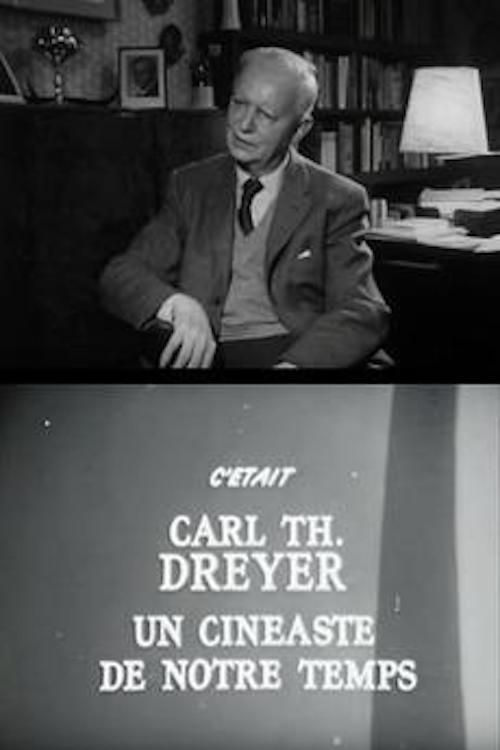
Cinéastes de notre temps : Carl Th. Dreyer
1965
No user ratings available yet
Representation score: 3.3 out of 10
Representation Score
Fair
1989
Director
Pierre-André Boutang, Michel Pamart
Runtime
450 minutes
Average Rating
No ratings yetNew Showbiz Analysis
This documentary serves as a theoretical catalyst rather than a typical narrative film. Its strength lies in challenging rigid hierarchies and promoting fluidity through intellectual discourse. Though it lacks demographic diversity, its subject matter aligns with progressive values. The film questions conventional expectations of authority and identity through post-structuralist analysis. Overall, the work acts as a foundational text for dismantling systemic structures, even though it doesn't have a diverse cast or explicit character representation.
Category Breakdown
The film doesn't explicitly represent LGBTQ characters. However, it explores the idea of fluid identity and rejects fixed categories through philosophical discussions.
The conversations between Deleuze and Claire Parnet challenge traditional gender roles. Parnet's role as a co-interlocutor shows equality between genders, which counters past exclusions of women.
The film focuses on intellectual exchanges within a European context. It doesn't include a diverse cast or directly address issues related to race.
The film critiques established structures like the state and capitalism. It promotes a non-traditional worldview by questioning universal truths and using rhizomatic thinking.
There is no visible or documented evidence showing the portrayal of disability in this documentary.
Present on Screen
Limited or Absent
Official Synopsis
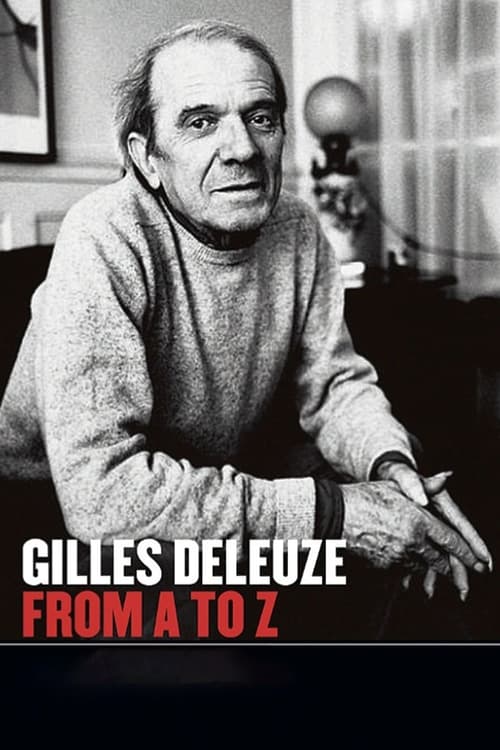
The eight-hour series of interviews between Gilles Deleuze and Claire Parnet, filmed by Pierre-André Boutang in 1988-1989.
1965

2006
1969
2016
2002
1979
1990
1999
No reviews yet. Be the first to share your thoughts on this movie!
Use the rating form above to leave a star rating and optional review.