
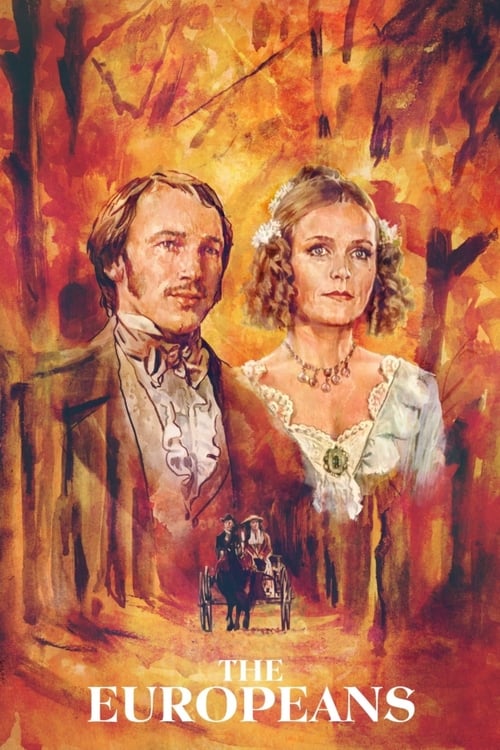
Quartet
1981
No user ratings available yet
Representation score: 4.2 out of 10
Representation Score
Limited
1979
PGDirector
James Ivory
Runtime
91 minutes
Average Rating
No ratings yetNew Showbiz Analysis
The film is a sophisticated period drama that prioritizes historical accuracy and the exploration of class-based social nuances. It successfully portrays the complexities of gendered social constraints through its central female characters. However, the production remains deeply rooted in the demographic and moral norms of its 19th-century setting. This results in a lack of racial, ethnic, or LGBTQ+ diversity, as the narrative focuses exclusively on white, straight-centered elites. Ultimately, the film serves as a traditional study of transatlantic social identities rather than a work that seeks to disrupt systemic hierarchies or introduce diverse perspectives.
Category Breakdown
The film follows strict 19th-century social norms where everyone is assumed to be straight and cisgender. There is no evidence of queer relationships or non-cisgender identities.
Eugenia Münster's character offers a nuanced look at women's ability to drive the story within restrictive social frameworks. The narrative avoids the passive female cliché by highlighting her intellectual maneuvers.
The cast is predominantly white and Anglo-Saxon, reflecting the homogeneous upper class of the 19th century. The story centers on cultural differences between European and American white elites.
The film explores traditional Western social institutions, focusing on class, reputation, and family wealth. It looks at the performative nature of social decorum within the existing social order.
There are no prominent depictions of visible or invisible disabilities that significantly impact the narrative or serve as key character traits.
Present on Screen
Limited or Absent
Official Synopsis
An adaptation of Henry James' novel about the Countess Eugenia Münster and her brother Robert, expatriate Americans who have grown up in Europe. Returning to prosperous relatives in New England, Eugenia hopes to make an advantageous marriage with a wealthy cousin. While Eugenia encounters obstacles, Robert finds his suit bearing fruit.
1981

1954

1984
1974
1991

1958
1983

1996
No reviews yet. Be the first to share your thoughts on this movie!
Use the rating form above to leave a star rating and optional review.