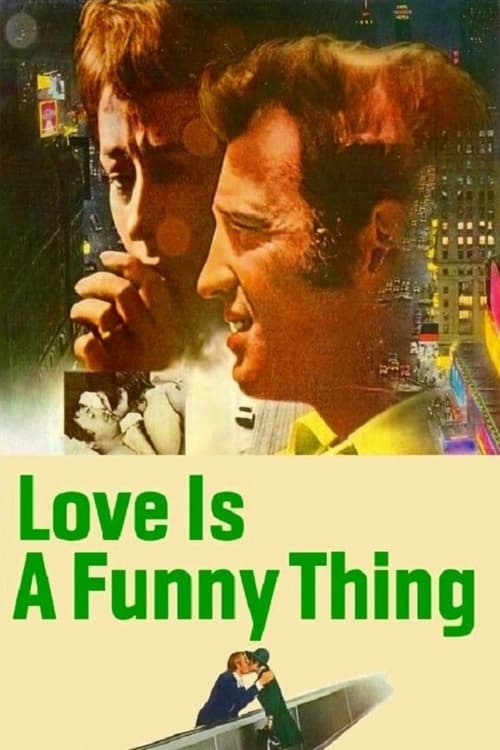
Love Is a Funny Thing
1969
No user ratings available yet
Diversity score: 4.2 out of 10
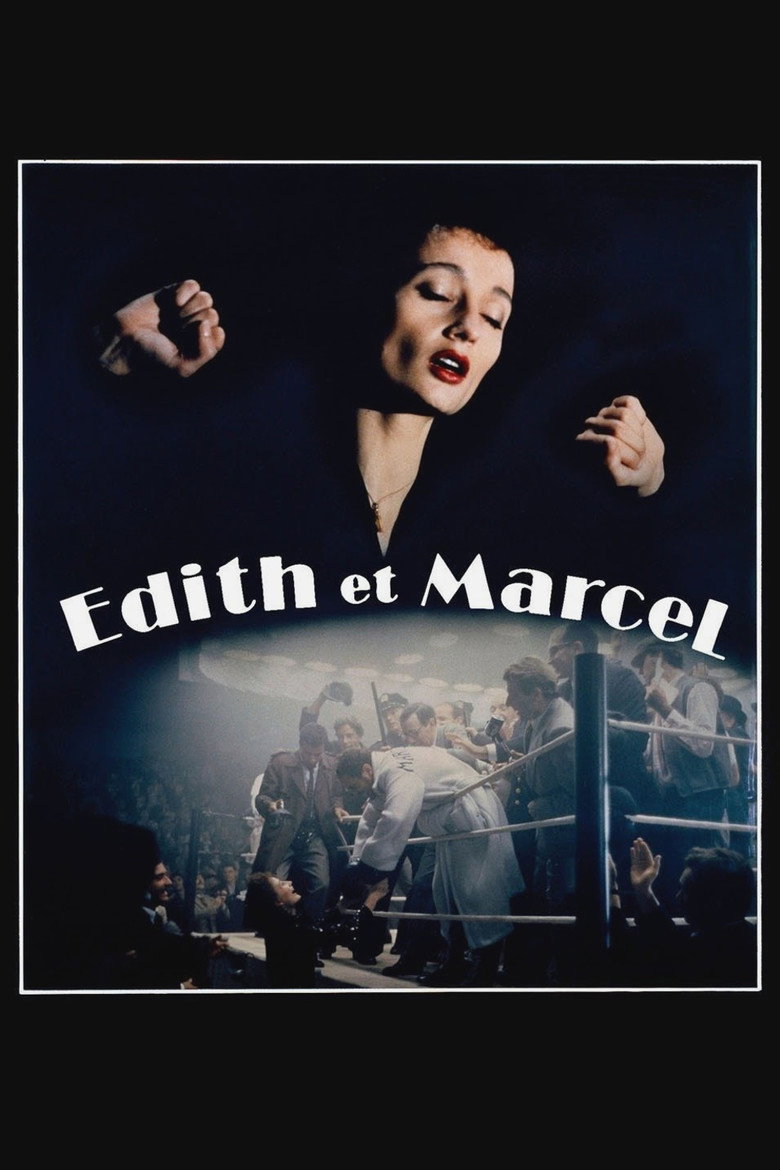
1983
TV-GDirector
Claude Lelouch
Average Rating
No ratings yetSynopsis
This tragic musical drama chronicles the star-crossed love between beloved French singer Edith Piaf and World Middleweight boxing champion Marcel Cerdan who died in a plane crash. The tumultuous affair is paralleled by the love affair of a French POW and his young pen pal who get engaged after writing to each other for four years and having never met. Their romances are framed by the sad, torchy songs of Piaf.
Overall Score
Fair
Category Breakdown
LGBTQ+ Representation
The film explores queer-coded emotional landscapes through subtextual male-male intimacy. It avoids caricatures, framing non-heteronormative connections as central to the human experience within a bohemian setting.
Gender Representation
Edith Piaf serves as a powerful, dominant figure whose agency often supersedes the men around her. However, the narrative remains anchored in the social constraints of its historical period.
Racial & Ethnic Diversity
The cast is largely homogeneous, reflecting the early 20th-century Parisian intellectual and bohemian classes. There is a notable lack of racial or ethnic intersectionality in the story.
Religious & Cultural Diversity
The narrative challenges traditional institutions by prioritizing subjective emotional truths over rigid moral frameworks. It presents the bohemian lifestyle as a valid alternative to conventional social decorum.
Disability Representation
There are no prominent depictions of visible or invisible disabilities that serve as central narrative drivers in this work.
Strengths
Areas for Improvement
AI Analysis
Claude Lelouch’s drama succeeds as a sophisticated study of human connection, prioritizing emotional subjectivity over traditional narrative structures. It finds its greatest strength in how it handles unconventional lifestyles and complex emotional subtext. While the film excels at subverting romantic and moral hierarchies, it is limited by its historical focus. The lack of racial diversity and the presence of period-specific social constraints prevent a higher score. Ultimately, the film is a nuanced exploration of intimacy that treats non-traditional bonds as central rather than peripheral, even if it remains culturally homogeneous.
1969
1966

1986

1972
1924

2002
1962

2016
1999
1983
1985
1999
No reviews yet. Be the first to share your thoughts on this movie!
Use the rating form above to leave a star rating and optional review.