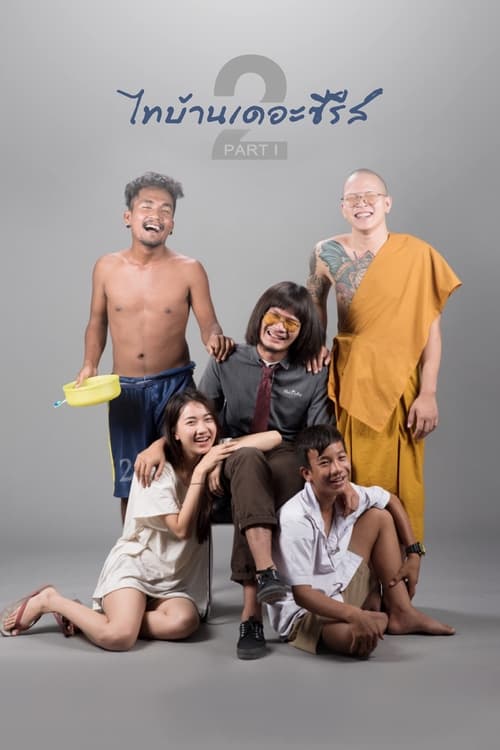
Thi Baan The Series 2.1
2018
No user ratings available yet
Representation score: 5.2 out of 10
Representation Score
Fair
2018
Director
Surasak Pongsorn
Runtime
125 minutes
Average Rating
No ratings yetNew Showbiz Analysis
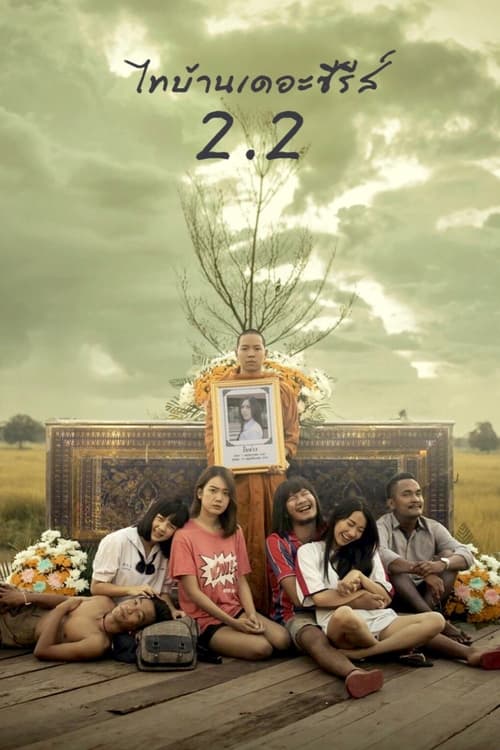
Thi Baan The Series 2.2 is a standout example of regional authenticity, successfully disrupting Bangkok-centric narrative dominance. By centering the Isan identity, the film provides a vital counter-narrative to standardized national media through its use of local dialects and settings. However, the work remains tethered to conventional dramatic clichés. While it excels in ethnic representation, it lacks significant movement in terms of challenging traditional gender roles or LGBTQ+ visibility, sticking largely to traditional romantic archetypes. Ultimately, the film is a triumph of hyper-localism that prioritizes communal, rural values over urbanized ideals, even if its character dynamics remain within standard genre boundaries.
Category Breakdown
The series focuses on the romantic struggles and interpersonal relationships of a specific peer group. There is no evidence of non-straight or non-cisgender identities or explicit critiques of the assumption that everyone is straight or cisgender.
Character dynamics follow a conventional approach within a rural social framework. The narrative explores love and success but lacks evidence of challenging traditional gender hierarchies.
The film excels by centering the Isan identity and utilizing local dialects. This provides a significant role to a linguistic subgroup often sidelined in homogenized national discussions.
The narrative prioritizes local communal values over urban capitalist ideals. It uses rural life to critique the pressures exerted by modern, centralized societal structures.
There is no documented evidence regarding the inclusion of characters with visible or invisible disabilities.
Present on Screen
Limited or Absent
Official Synopsis
Pong and friends grapple with love, death and success in this continuation of the comic film series about youth in rural Thailand.
2018

2018
2017

2013
2014

2003
2018
2009
No reviews yet. Be the first to share your thoughts on this movie!
Use the rating form above to leave a star rating and optional review.