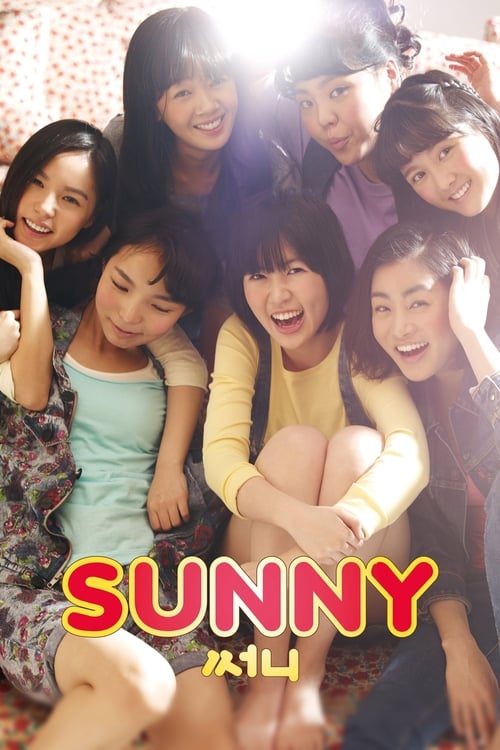
Sunny
2011
No user ratings available yet
Representation score: 7.4 out of 10
Representation Score
Excellent
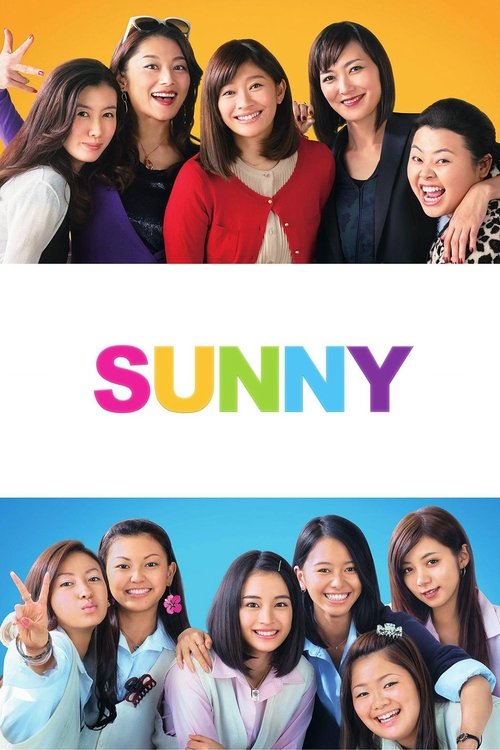
2018
Director
Hitoshi One
Runtime
118 minutes
Average Rating
No ratings yetNew Showbiz Analysis
Sunny is a sophisticated character study that deconstructs traditional relationship narratives, emphasizing women's ability to drive the story and emotional depth. It excels in its portrayal of female friendships and internal lives, moving away from patriarchal storytelling. While the film is effective in its gender and LGBTQ+ themes, it remains culturally specific to Japan, limiting its racial diversity. The narrative is rooted in a particular Japanese context. Additionally, the film uses disability and mortality as narrative devices to explore themes of time and memory, focusing on the social impact rather than the individual's experience.
Category Breakdown
The film showcases the strong, emotionally complex bond between female protagonists Yoshino and Suzume, using a yuri aesthetic to explore their relationship without labeling it.
The story focuses on the internal lives and friendships of women, avoiding the male perspective and highlighting the complexity of female relationships.
The cast is culturally homogeneous, reflecting a specific Japanese setting. While it lacks racial diversification, it serves as a culturally specific study of Japanese social dynamics.
The film uses a non-linear structure to emphasize personal memories and emotions, avoiding rigid social or religious frameworks.
The story uses terminal illness as a plot device to explore themes of time and memory, focusing on the social impact rather than the individual's experience.
Present on Screen
Limited or Absent
Official Synopsis
A group of friends from high school days reunite for once more time before one of them dies from cancer.
2011
2017
1993

2023

2020

2019
2024
2015
No reviews yet. Be the first to share your thoughts on this movie!
Use the rating form above to leave a star rating and optional review.