Kamome Diner
2006
No user ratings available yet
Representation score: 8.7 out of 10
Representation Score
Good
2009
Director
Mika Ohmori
Runtime
96 minutes
Average Rating
No ratings yetNew Showbiz Analysis
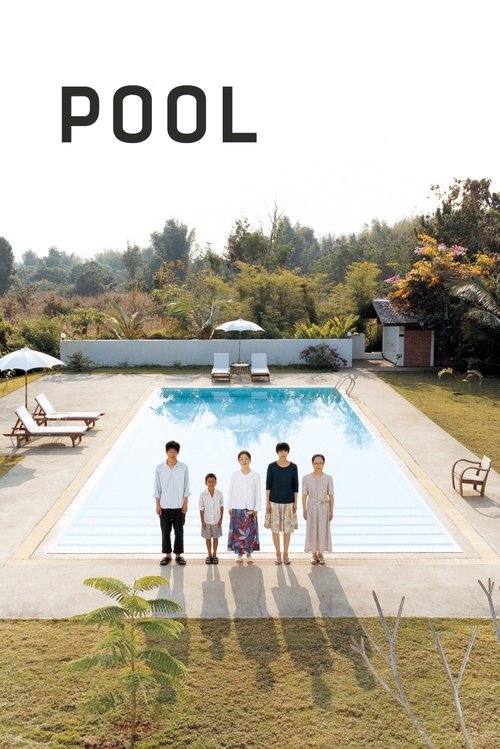
Pool is an intimate portrayal of familial estrangement and the tension between a mother and daughter. It succeeds by rejecting idealized family structures to highlight the autonomy of modern, globalized identities. The film's strength lies in its nuanced exploration of non-traditional domesticity. By focusing on the daughter's self-discovery and the mother's independent life in Thailand, it offers a sophisticated look at female autonomy. While the film excels in cultural and gender nuance, it lacks representation regarding disability. The narrative remains focused on a specific micro-scale of interpersonal dynamics.
Category Breakdown
The film examines the fluid social dynamics and unconventional relationships within an expatriate community. It emphasizes emotional authenticity over traditional relationship models.
The story centers on women's autonomy and the complexities of womanhood. It challenges the nurturing matriarch stereotype by showing women as independent individuals pursuing their own desires.
The setting allows for a cross-cultural interaction between Japanese characters and the Thai environment. This avoids a purely Japan-centric perspective by embracing a multicultural atmosphere.
The film critiques strict Japanese social norms and traditional family roles. It favors individual experiences and transient lifestyles over institutional or familial obligations.
There is no significant presence of characters with visible or invisible disabilities influencing the narrative.
Present on Screen
Limited or Absent
Official Synopsis
A story of 6 days with 5 people gathered around a small sparkling pool at Chiang Mai in Thailand. 4 years ago, Kyoko started to live in Thailand and has been working in a Guest house outside in Chiang Mai, leaving her mother and her daughter Sayo, in Japan. Just before the graduation of University, Sayo sets foot on Thailand to visit her mother with mixed feelings. However, emotional experiences with the people living there changes such feelings toward her mother.
2006

2000
2011

2009

1992

2007

2019

2009
No reviews yet. Be the first to share your thoughts on this movie!
Use the rating form above to leave a star rating and optional review.