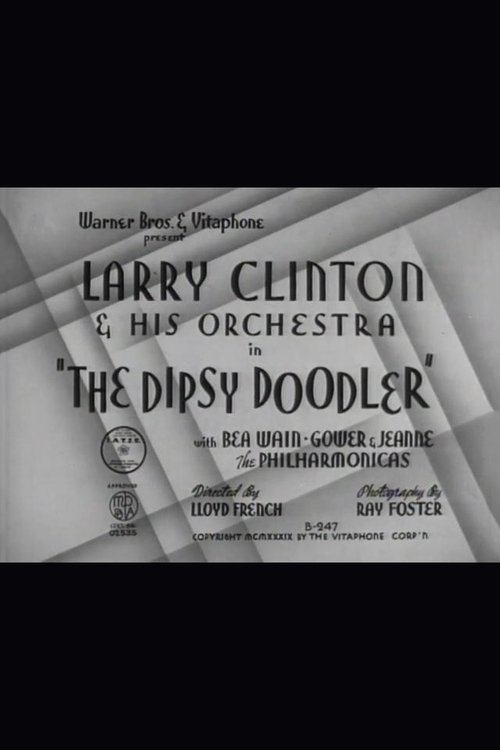
The Dipsy Doodler
1940
No user ratings available yet
Diversity score: 0.0 out of 10
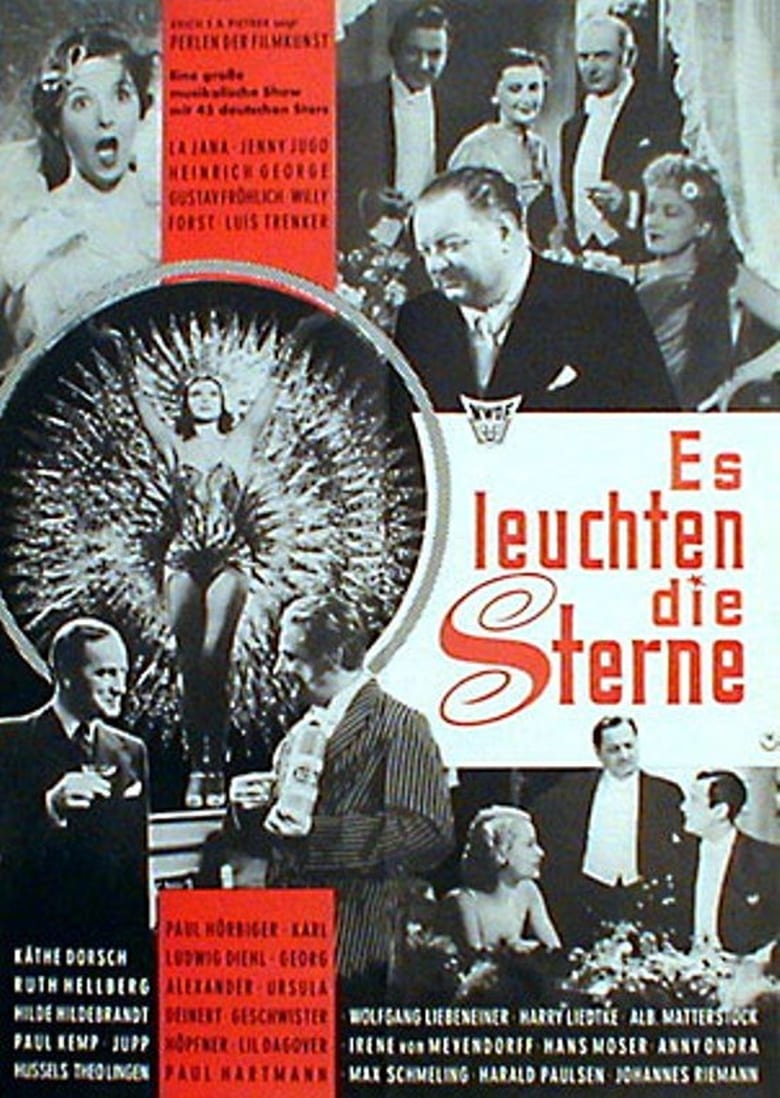
1938
Director
Hans H. Zerlett
Runtime
95 minutes
Average Rating
No ratings yetSynopsis
German all-star musical from 1938 that was a big commercial success.
Overall Score
Minimal
Category Breakdown
LGBTQ+ Representation
The film lacks any evidence of non-cisnormative identities. Narratives from this era prioritize traditional romantic structures and heteronormative norms.
Gender Representation
Female leads often serve as decorative elements or romantic interests. The film reinforces traditional masculine leadership and established gender hierarchies.
Racial & Ethnic Diversity
The production reflects a homogeneous social landscape. There is no indication of racial blending or non-white majority casting.
Religious & Cultural Diversity
The work celebrates cultural stability and conventional social norms. It reinforces communal cohesion rather than exploring secularism or diverse moralities.
Disability Representation
Characters with disabilities are not presented as complex or multi-dimensional figures. The film lacks nuanced portrayals of neurodivergence or physical disability.
Strengths
Areas for Improvement
AI Analysis
The Stars Shine is a product of 1938 German cinema, a period defined by strict state oversight and nationalistic frameworks. Consequently, the film functions as a reflection of the era's cultural homogeneity rather than a platform for diverse perspectives. The narrative architecture adheres to traditionalist hierarchies, prioritizing social stability and conventional identity. It lacks the intentionality required to disrupt the era's rigid social and gendered expectations. Ultimately, the film serves as a historical artifact of a singular, idealized national identity, offering almost no intersectional or non-traditional representation.
1940
1935
1938

1954
1943
1935

1935
1940
1947

1932
1966

1948
No reviews yet. Be the first to share your thoughts on this movie!
Use the rating form above to leave a star rating and optional review.