
The Judgement Of Franciszek Kłos
2000
No user ratings available yet
Representation score: 0.8 out of 10
Representation Score
Fair
1972
Director
Andrzej Wajda
Runtime
98 minutes
Average Rating
No ratings yetNew Showbiz Analysis
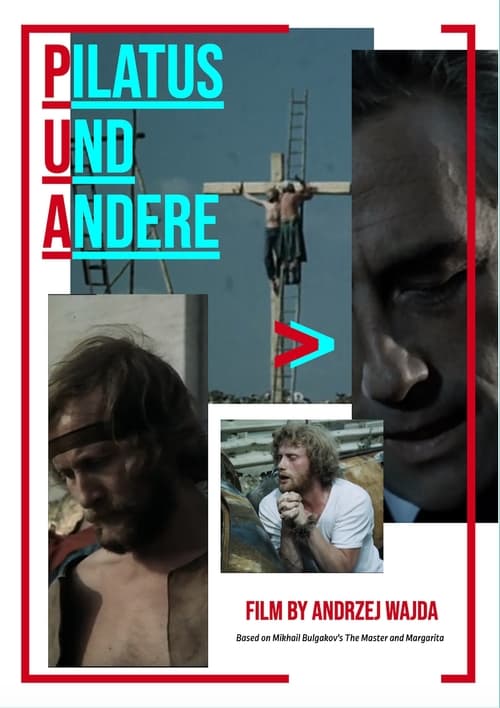
Andrzej Wajda’s film shifts a biblical trial into a modern German setting to critique institutional authority. By focusing on the mechanics of political compromise rather than religious sanctity, the work examines how systems of power operate and fail. The film effectively deconstructs masculine authority and the corruption of state machinery. It uses moral relativism to challenge the perceived infallibility of legal and social structures, making it a sophisticated study of situational ethics. However, the narrative remains centered on male-driven intellectual conflicts. While it avoids some traditional clichés, it lacks explicit representation of queer identities or significant female-led perspectives.
Category Breakdown
The film hints at themes of otherness and social deviation but does not explicitly depict queer identities or same-sex relationships. Instead, it focuses on the psychological tension during a trial.
The story centers on the moral struggles of male characters. While it avoids traditional gender hierarchies, it does not give much emphasis to women's ability to drive the story or challenge gendered power dynamics.
By relocating the biblical story to modern Germany, the film disrupts traditional religious imagery. This move introduces a contemporary European landscape, adding diversity to the historical context.
The film critiques established religious and judicial institutions by portraying them as sites of systemic failure and moral compromise. It highlights these structures through a modern legal perspective.
There is no depiction of visible or invisible disabilities within the narrative.
Present on Screen
Limited or Absent
Official Synopsis
The trial of Yeshua Ha-Notsri is led by prosecutor Pontius Pilate who believes in the innocence of the accused but is forced to sentence him to death. This biblical story is set in present-day Germany.
2000

1963

1962

1953

2006

2015
2004
1988
No reviews yet. Be the first to share your thoughts on this movie!
Use the rating form above to leave a star rating and optional review.