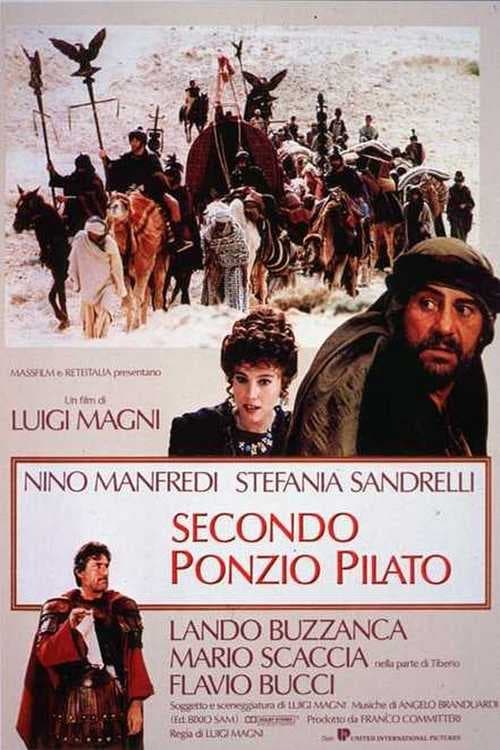
According to Pontius Pilate
1988
No user ratings available yet
Representation score: 6.2 out of 10
Representation Score
Minimal
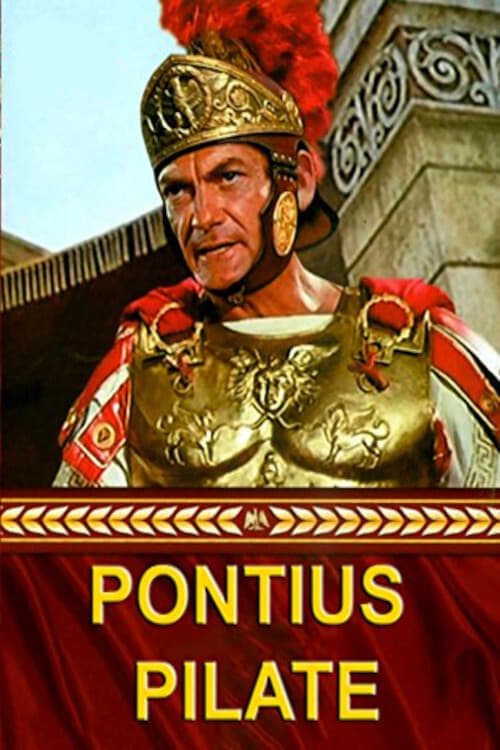
1962
NRDirector
Gian Paolo Callegari, Irving Rapper
Runtime
97 minutes
Average Rating
No ratings yetNew Showbiz Analysis
This historical drama functions as a traditional religious epic, prioritizing the preservation of theological and social hierarchies. The narrative structure follows the Gospel of John, which naturally aligns with established institutional stability rather than challenging conventional narratives. The film relies on the conventional clichés of early 1960s cinema. While the Judean setting provides a baseline for non-white representation through an international cast, the production likely favors Western cinematic aesthetics over authentic Middle Eastern nuances. Ultimately, the film lacks complexity in reflecting multiple aspects of identity. It serves to reinforce the social and religious structures of its era rather than offering a critique of authority or diverse human experiences.
Category Breakdown
The film follows strict conventions that assume everyone is straight and cisgender, typical of 1960s religious epics. There is no indication of LGBTQ+ identities or same-sex relationships.
Female characters are given secondary or domestic roles and do not play a significant part in driving the plot. They are passive elements within the political drama.
The setting requires a non-Anglo-Saxon cast, but the film likely prioritizes 1960s Hollywood aesthetics over authentic ethnic complexity. It uses international casting common to the era.
The narrative is tied to Christian morality and the preservation of biblical traditions. It upholds singular religious ideals rather than exploring secular themes.
There is no evidence regarding the inclusion of characters with physical or neurodivergent disabilities.
Present on Screen
Limited or Absent
Official Synopsis
The events that culminated with the Passion of Christ seen from the perspective of Pontius Pilate, the Procurator of Judea who unwillingly condemned Christ to death. Based on the biblical Gospel of John.
1988

1963
2013

1928
2019

1953
1903
1979
No reviews yet. Be the first to share your thoughts on this movie!
Use the rating form above to leave a star rating and optional review.