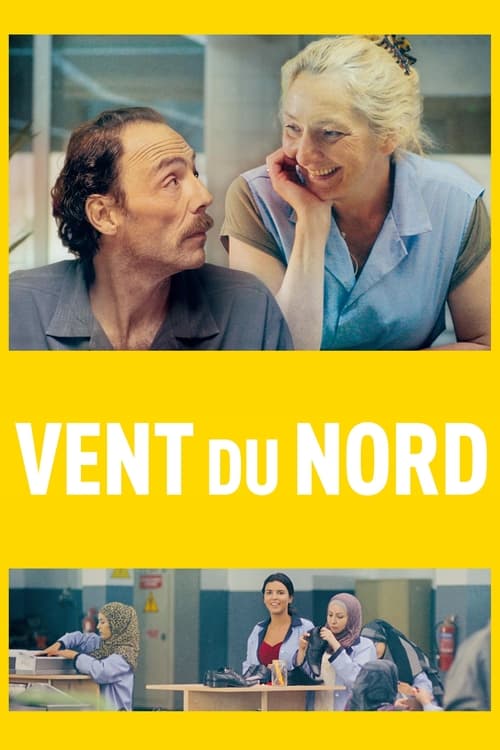
Northern Wind
2018
No user ratings available yet
Representation score: 5.8 out of 10
Representation Score
Fair
2009
Director
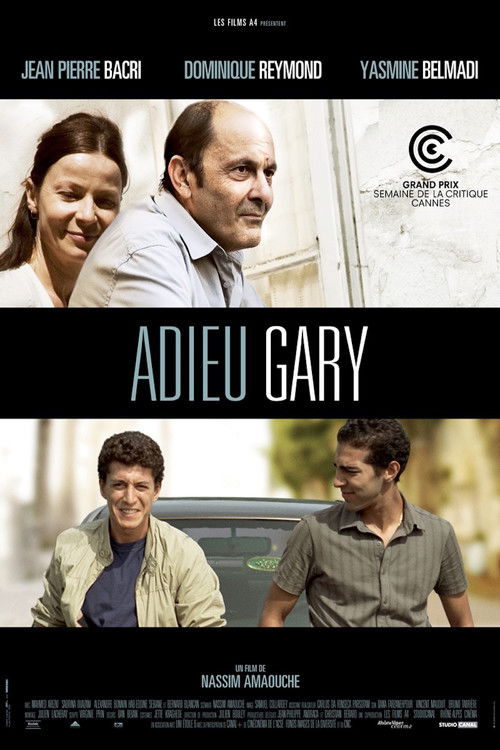
Nassim Amaouche
Runtime
75 minutes
Average Rating
No ratings yetNew Showbiz Analysis
Adieu Gary is a sophisticated deconstruction of the period drama. It focuses on human impulse and situational ethics during wartime rather than broad demographic representation. The film excels in its treatment of gendered autonomy, presenting women with significant influence. It also challenges Western institutional stability by replacing rigid moral codes with moral relativism. However, the film remains limited by its historical setting, resulting in low racial diversity. It also lacks explicit representation of LGBTQ+ identities or characters with disabilities.
Category Breakdown
The film examines complex desires and sexual transgressions that challenge traditional family structures. However, it does not include clearly defined LGBTQ+ identities or characters whose gender doesn't match their assigned sex at birth.
Women play a significant role in driving the story, challenging traditional gender roles. The narrative highlights the tension between male authority and the autonomy of female characters.
The cast is primarily white, reflecting the historical context of 1940s rural France. The film does not employ diverse casting to address this period-specific demographic.
The story questions traditional morality by focusing on subjective impulses and wartime necessities. It depicts the collapse of societal norms during the occupation.
There is no significant depiction of visible or invisible disabilities within the narrative.
Present on Screen
Limited or Absent
Official Synopsis
Au milieu de nulle part, une cité ouvrière vidée de sa population depuis quelques années déjà. Pourtant, certains habitants ont décidé d'y rester, plus par choix que par nécessité, parce que c'est là qu'ils sont nés et qu'ils ont grandi. Parmi eux il y a Francis, l'ouvrier consciencieux qui continue d'entretenir la machine sur laquelle il a travaillé toute sa vie ; Samir, son fils.
2018
2015

2001

2015
2022

1978
1999
2016
No reviews yet. Be the first to share your thoughts on this movie!
Use the rating form above to leave a star rating and optional review.