
Punainen viiva
1959
No user ratings available yet
Representation score: 2.5 out of 10
Representation Score
Minimal
1938
ApprovedDirector
Sigurd Wallén
Runtime
106 minutes
Average Rating
No ratings yetNew Showbiz Analysis
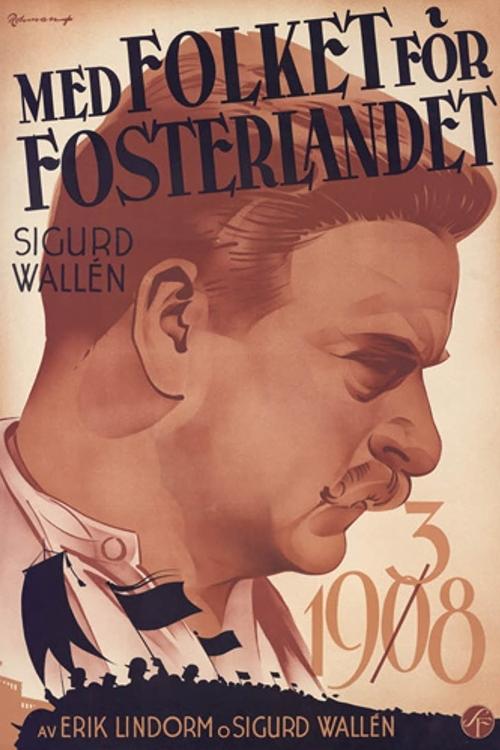
Med folket för fosterlandet serves as a historical record of Sweden's socio-political evolution from 1907 to 1938. It blends newsreel footage with fictional family stories to document the rise of social democracy. While the film offers a unique perspective on systemic societal shifts and the move away from monarchical power, it remains deeply rooted in the era's demographic and social norms. The narrative structure emphasizes institutional progress over individual identity-based representation. Ultimately, the film is a study of national progression through a traditional lens, lacking modern multi-layered diversity.
Category Breakdown
The film does not include any LGBTQ+ characters or non-straight relationships. It focuses on traditional family lineages spanning two generations.
The story centers on male-dominated roles, such as a working man and a newspaper editor. There is no indication of women taking leading roles or challenging patriarchal structures.
The film reflects the demographic homogeneity of Sweden during the early 20th century. It focuses on the internal social changes within the Swedish population.
The narrative highlights the rise of social democracy and the shift in power structures. It prioritizes systemic social reforms over monarchical traditions.
There is no documented evidence of characters with disabilities being portrayed as having significant roles or central to the narrative arc.
Present on Screen
Limited or Absent
Official Synopsis
This film depicts every noteworthy event (in the eyes of the film-makers) in Sweden from the death of King Oscar II, in 1907, to the celebration of the 80th birthday of King Gustave V in Stockholm in June of 1938. This film is comprised largely of newsreel clips intermixed with the fictional story of the family lives of a working man and a well-to-do newspaper editor through two generations, with a special significance in the showing of the development of the social-democratic form of government in Sweden.
1959
1928
2011

2008
1934

1969
1949
1936
No reviews yet. Be the first to share your thoughts on this movie!
Use the rating form above to leave a star rating and optional review.