The Pianist
1998
No user ratings available yet
Representation score: 6.1 out of 10
Representation Score
Good
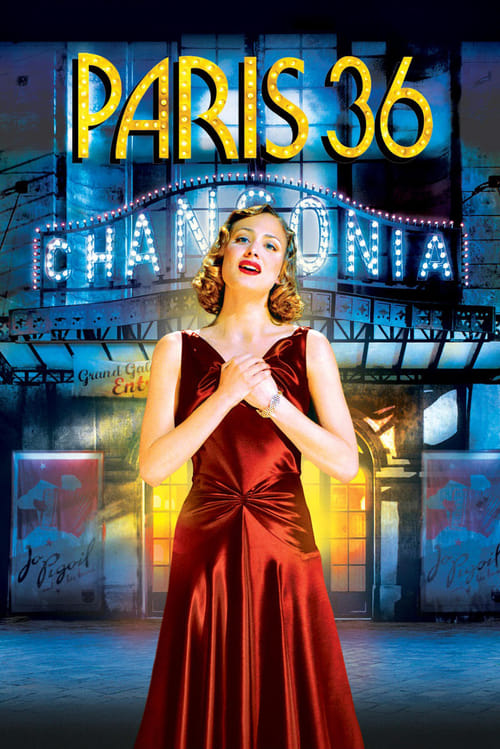
2008
PG-13Director
Christophe Barratier
Runtime
120 minutes
Average Rating
No ratings yetNew Showbiz Analysis
Paris 36 succeeds by intertwining the macro-political shifts of the French Popular Front with the micro-social dynamics of forbidden desire. It effectively uses the volatile landscape of 1936 Paris to explore how systemic political movements collide with personal identity. The film’s strength lies in its intentional deconstruction of social norms. By merging working-class upheaval with queer identity, it highlights how rigid structures impact the individual, creating a sophisticated study of overlapping identities. However, the narrative’s focus remains heavily on socioeconomic divides rather than racial or ethnic diversity. While historically grounded, the exploration of identity is primarily centered on class and gendered autonomy.
Category Breakdown
The film centers on the intense, non-traditional relationship between Gabrielle and Lucie. This bond drives their character arcs and explores the psychological complexities of female desire outside sanctioned social frameworks.
Female protagonists drive the emotional landscape, pursuing autonomy within a patriarchal society. The narrative avoids damsel clichés, focusing instead on intellectual awakening and reclaiming ability to act.
The story focuses primarily on the class-based distinctions of 1930s Paris. While reflecting the era's demographics, it does not prioritize racial or ethnic diversity as a central plot driver.
The setting critiques traditional Western institutions and class hierarchies through the lens of the Popular Front. It frames the era's legal and moral authorities as punitive forces against individual liberation.
The film lacks prominent characters with visible or invisible disabilities central to the narrative arc.
Present on Screen
Limited or Absent
Official Synopsis
A star is born in a time of both celebration and instability in this historical drama with music from director Christophe Barratier. In the spring of 1936, Paris is in a state of uncertainty; while the rise of the Third Reich in Germany worries many, a leftist union-oriented candidate, Léon Blum, has been voted into power, and organized labor is feeling its new power by standing up to management.
1998
2009
1999
1969
2005

1972

2017

2024
No reviews yet. Be the first to share your thoughts on this movie!
Use the rating form above to leave a star rating and optional review.