City of Joy
2016
No user ratings available yet
Representation score: 9.5 out of 10
Representation Score
Excellent
2011
Director
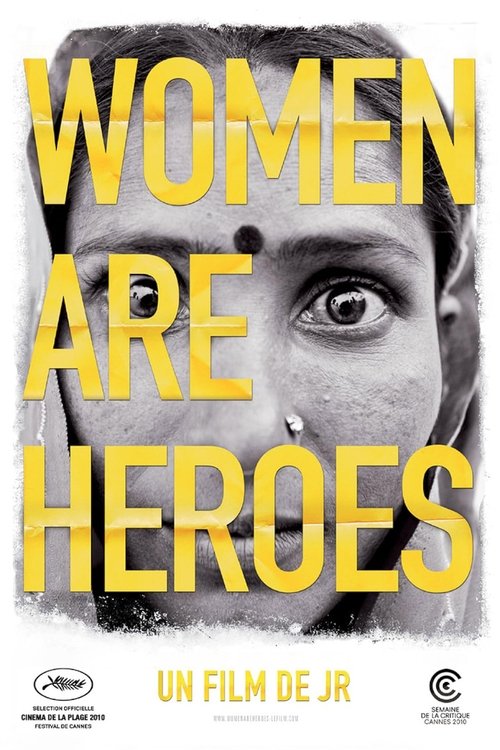
JR
Runtime
80 minutes
Average Rating
No ratings yetNew Showbiz Analysis
JR’s documentary is a powerful exercise in visibility, using large-scale art to reclaim space for underrepresented women. It succeeds most profoundly by dismantling the anonymity of the Global South through massive, humanizing portraits. The work excels in racial and gender representation, moving beyond mere inclusion to actively challenge patriarchal and Western-centric hierarchies. By centering women of color in disenfranchised environments, the film disrupts traditional artistic and social structures. However, the project's scope is narrow, focusing heavily on the intersection of class and gender. This leaves little room for specific explorations of LGBTQ+ identities or disability-centric narratives.
Category Breakdown
The film focuses on the intersection of gender, race, and socioeconomic status but does not include explicit LGBTQ+ narratives or non-cisgender identities.
The narrative challenges traditional hierarchies by elevating women from favelas and slums to monumental status. These women are portrayed as primary agents of survival rather than passive victims.
The film excels by centering Afro-Brazilian, indigenous, and Global South identities. Massive photographic montages force engagement with populations often excluded from the dominant Western gaze.
The documentary critiques capitalist urbanism and systemic inequality through the lived realities of the impoverished. It prioritizes subjective experiences over standardized Western morality.
The film captures the physical toll of extreme poverty but lacks a dedicated focus on neurodivergence or visible disabilities. Representation remains centered on gender and class.
Present on Screen
Limited or Absent
Official Synopsis
In his film "Women Are Heroes", photographer JR takes his audience into some exceptional women’s lives. Because there are, most of the time, the first victims in war-time and left to their own during peace-time, JR pays tribute to those women who, in spite of the hurdles, keep smiling, keep fighting and keep hoping a better life. From Rio’s shantytowns to Kenyan slums, passing by Indian and Cambodian streets, he offers a fresh look at their struggles and expectations. Displaying their portraits via huge montages on their neighborhood’s walls, JR sublimates those extraordinary destinies and sheds the lights on those strong and moving personalities, too rarely recognized enough.
2016
2011
2017
2019
2014
2023
2008
2012
No reviews yet. Be the first to share your thoughts on this movie!
Use the rating form above to leave a star rating and optional review.