City of Joy
2016
No user ratings available yet
Representation score: 9.5 out of 10
Representation Score
Excellent
2017
Director
Dieudo Hamadi
Runtime
72 minutes
Average Rating
No ratings yetNew Showbiz Analysis
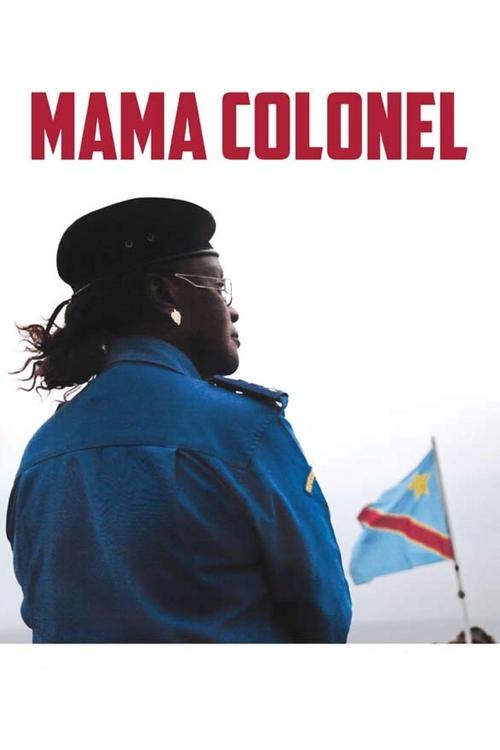
Mama Colonel is a powerful study of ability to act within a landscape of systemic trauma. By centering Colonel Honorine Munyole, the film moves beyond simple victimhood to explore how a woman navigates institutional power and personal resilience in the Congo. The documentary excels by providing a non-Western perspective on human rights. It avoids common clichés, instead focusing on the messy realities of governance, social fragmentation, and the heavy burden of leadership in a war-plagued region. While the film lacks explicit focus on LGBTQ+ identities or physical disabilities, it provides a sophisticated look at the psychological scars of conflict.
Category Breakdown
The film maintains a neutral stance regarding LGBTQ+ identities. It focuses on structures like widowhood and motherhood rather than non-cisgender expressions.
Colonel Munyole subverts traditional hierarchies by acting as a robust, authoritative leader. The film challenges the divide between domesticity and professional command in a masculine sphere.
The documentary centers a Black Congolese protagonist in a position of institutional influence. It avoids white savior clichés by highlighting local efforts to address systemic violence.
The narrative explores the friction between state institutions and the populace. It critiques the complexities of survival and international intervention within a post-colonial landscape.
While physical disabilities are not the focus, the film examines the invisible psychological trauma and depression caused by war. These are treated with depth and ability to act.
Present on Screen
Limited or Absent
Official Synopsis
Colonel Honorine Munyole is a robust forty-four-year-old widow and mother of seven young children – four of her own, three adopted. She wields her uniform, beret and black handbag like a protective shield, which her daily work desperately requires. More or less on her own, she runs a small police unit dedicated to protecting women who’ve been raped and children who’ve suffered abuse in the war-plagued regions of the Congo. At the start of Maman Colonelle, she’s transferred from Bukavu to Kisangani, arriving only to discover her future home and office in a desolate state. While she deals with such practical obstacles with suitable feistiness, the traumas and social deformities of the people around her have nightmarish dimensions: the envy surrounding those with state-recognised ‘victim’ status, hope for help from the ‘whites’, depression, helplessness.
2016
2023
2015

2011
2011
2012
2011
2020
No reviews yet. Be the first to share your thoughts on this movie!
Use the rating form above to leave a star rating and optional review.