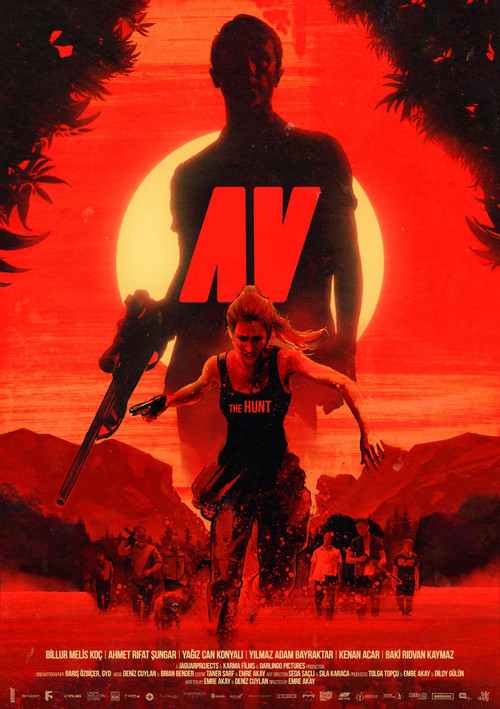
Av: The Hunt
2021
No user ratings available yet
Diversity score: 6.3 out of 10
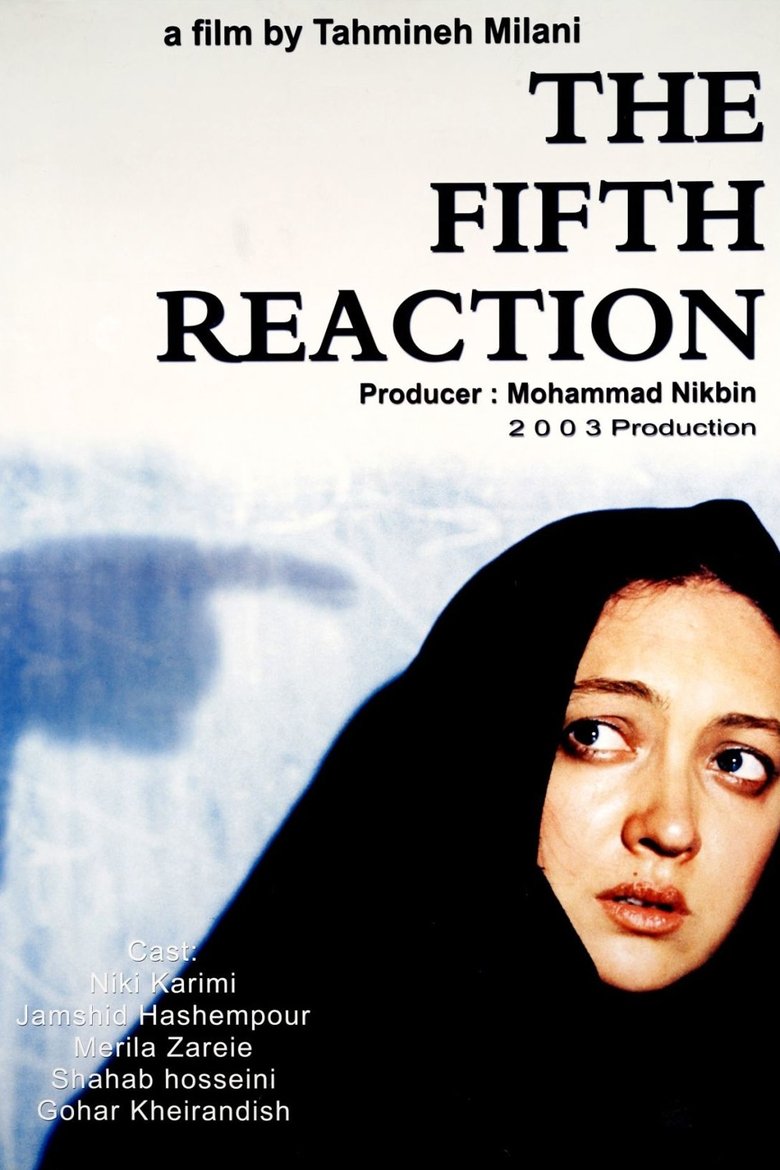
2003
Director
Tahmine Milani
Runtime
106 minutes
Average Rating
No ratings yetSynopsis
Fereshteh loses her home and her two sons after her husband's accidental death when Hadj Safdar, her stubborn and powerful father-in-law, forces her to return to her parents. She is faced with the loss of her visitation rights when Hadj plans to send his grandchildren to live in a remote town. With the help of her circle of women friends she tries to take them beyond his reach, but in a patriarchal society it is hard to find a safe haven.
Overall Score
Good
Category Breakdown
LGBTQ+ Representation
The narrative focuses on the domestic and legal struggles of a widow. There is no explicit evidence of LGBTQ+ characters or non-heteronormative identities within the story.
Gender Representation
Fereshteh serves as a central agent of change resisting patriarchal authority. The film prioritizes female solidarity through a circle of women friends who support her struggle for autonomy.
Racial & Ethnic Diversity
As an Iranian production, the film centers on a non-Western cultural landscape. It avoids a Western-centric gaze but remains ethnically homogeneous within its specific social context.
Religious & Cultural Diversity
The film critiques traditional patriarchal institutions by framing the family patriarch as an oppressive force. It deconstructs traditional authority to highlight threats to maternal agency.
Disability Representation
There is no evidence regarding the portrayal of physical or neurodivergent disabilities in the film.
Strengths
Areas for Improvement
AI Analysis
The film is a sophisticated critique of systemic power dynamics, specifically targeting the friction between individual agency and patriarchal authority. It succeeds by centering female agency and disrupting traditional hierarchies through its protagonist's struggle for custody. While the film excels in gender representation and cultural critique, it lacks engagement with LGBTQ+ narratives or disability representation. The cultural focus is deeply rooted in its specific Iranian context, providing a non-Western perspective that avoids globalized cinematic tropes. Ultimately, the work functions as a progressive narrative that prioritizes the dismantling of oppressive institutional norms through the lens of motherhood and female solidarity.
2021

2012

2022
2022
2008
2022
2015
2013
2017
2020
2014
2016
No reviews yet. Be the first to share your thoughts on this movie!
Use the rating form above to leave a star rating and optional review.