
Blowtorch
2016
No user ratings available yet
Representation score: 2.7 out of 10
Representation Score
Fair
2013
Director
Takaomi Ogata
Runtime
95 minutes
Average Rating
No ratings yetNew Showbiz Analysis
Takaomi Ogata’s film is a critical look at systemic and psychological failures. It challenges traditional social hierarchies, particularly regarding gendered expectations of motherhood and the sanctity of the family unit. By focusing on child neglect, the film disrupts the conventional cliché of the nurturing, stable matriarch, presenting the domestic sphere as a site of dysfunction. Though the film lacks explicit markers of LGBTQ+ or racial diversity, its strength lies in its deconstruction of cultural norms. It avoids traditional moralizing to offer a clinical look at social dysfunction.
Category Breakdown
The film does not include explicit LGBTQ+ characters or explore non-straight identities. Instead, it centers on the breakdown of a traditional family structure.
The film challenges traditional gender roles by breaking down the idealized mother archetype. It portrays the failure of motherhood and the corruption of maternal beliefs.
Set in Osaka, the film provides cultural specificity but does not use multi-ethnic casting to challenge homogeneous norms.
The film critiques the sanctity of the family and the idealized role of parents. It portrays the traditional family institution as a site of trauma rather than a social good.
There is insufficient evidence to determine if disability plays a central, agentic role in the narrative. The film focuses on the consequences of neglect.
Present on Screen
Limited or Absent
Official Synopsis
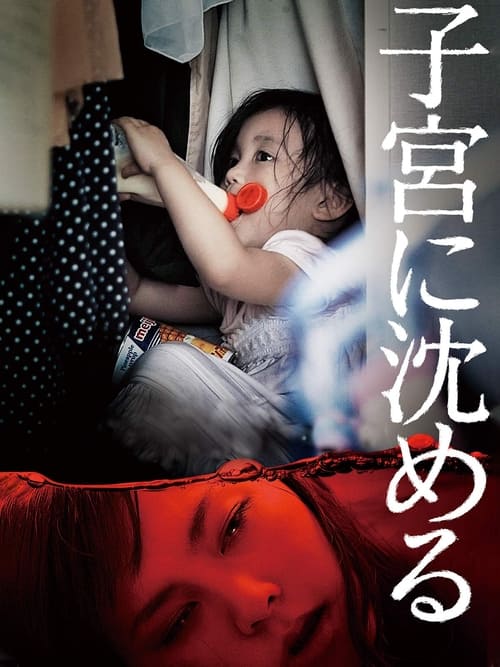
A life of a mother and her two children breaking down quietly without showing any events happening out of their house. The film is about a child neglect and a corruption of the belief, motherhood exists in all female, based on a true incident happened in Osaka, Japan.
2016

2022
2009

2014

2016

2013

2018
2017
No reviews yet. Be the first to share your thoughts on this movie!
Use the rating form above to leave a star rating and optional review.