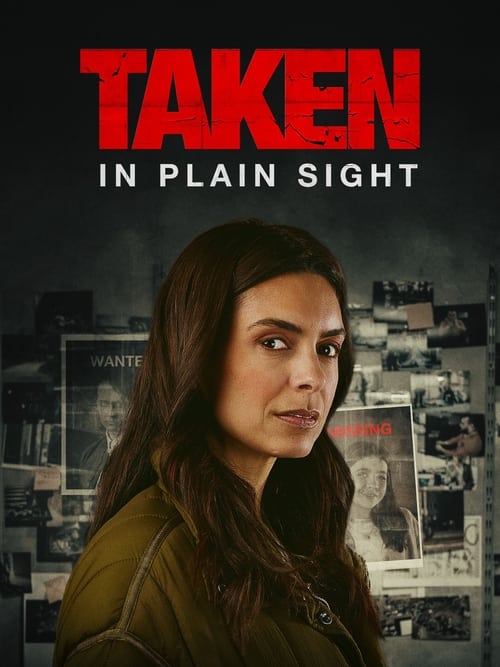
Taken in Plain Sight
2024
No user ratings available yet
Representation score: 5.4 out of 10

Representation Score
Fair
2020
TV-14Director
Jessica Janos
Runtime
0 minutes
Average Rating
No ratings yetNew Showbiz Analysis
Stolen in Plain Sight successfully challenges genre expectations by focusing on a proactive female protagonist. By evolving Melissa from a passive victim to an active investigator, the film rejects the stereotype of the helpless woman. The casting of a performer of color in a central role introduces a layer of diversity, breaking the usual homogeneity of small-town thrillers. However, the film's scope remains limited. While it effectively critiques institutional authority and gendered power structures, it lacks visible representation for LGBTQ+ identities or characters with disabilities.
Category Breakdown
The film does not include any explicit LGBTQ+ characters or non-straight relationships. The plot centers around a mother fighting against personal and community threats.
Melissa is a strong female lead who challenges traditional power dynamics. She transforms from a victim of abuse to an active force for justice, breaking away from passive female stereotypes.
Casting Gracie Gillam in the lead role brings significant diversity. This choice breaks the typical homogeneity of white casts in small-town thrillers.
The story questions the reliability of institutions by showing the police as ineffective. It also dismantles the assumed moral superiority of close-knit, traditional communities.
There is no information about the depiction of physical or neurodivergent disabilities in the film.
Present on Screen
Limited or Absent
Official Synopsis
Escaping an abusive husband, Melissa takes her baby to a cabin in a small town. When the baby is abducted and the police are less than helpful, she takes matters into her own hands and discovers the dark secret the town is hiding.
2024
2022
2021

2015

2022

2021

2017

2019
No reviews yet. Be the first to share your thoughts on this movie!
Use the rating form above to leave a star rating and optional review.