The Facts of Life
1960
No user ratings available yet
Representation score: 1.9 out of 10
Representation Score
Minimal
1956
NRDirector
Richard Brooks
Runtime
94 minutes
Average Rating
No ratings yetNew Showbiz Analysis
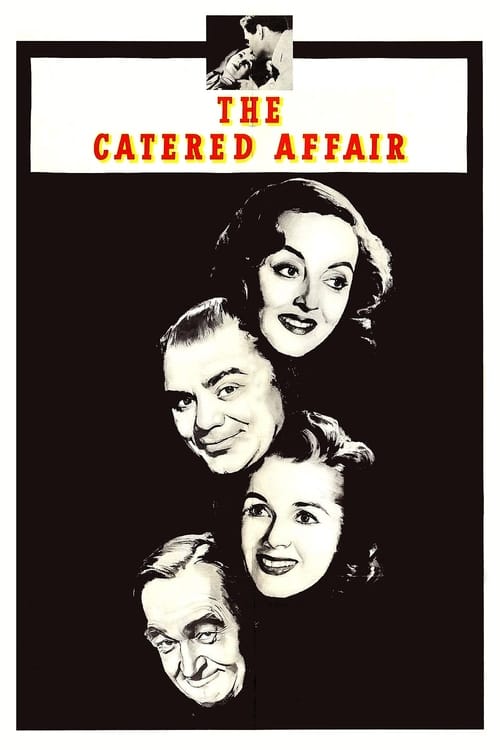
The Catered Affair is a mid-century social realism film that emphasizes internal class tensions over diversity. It primarily serves as a character study of an Irish-American family dealing with the pressures of social aspirations. While the film steers clear of certain traditional clichés by highlighting the role of women in emotional labor, it remains firmly grounded in the demographic uniformity of its time. The narrative zeroes in on the tension between genuine identity and the demands of social hierarchy. Ultimately, the film's absence of racial, LGBTQ+, or disability representation narrows its scope, although it provides a nuanced exploration of the psychological impact of rigid social structures.
Category Breakdown
The film does not include any LGBTQ+ characters or non-straight relationships. It focuses on a traditional heterosexual relationship typical of mid-century cinema.
Women play key roles in the story through maternal concerns and social navigation. Though it avoids the 'stable male leader' cliché, it portrays women dealing with restrictive societal norms rather than challenging them.
The cast is predominantly white, centered around an Irish-American family in the Bronx. The story does not include characters from diverse racial backgrounds.
The film examines the anxieties of social climbing and the performance of respectability. It highlights the stress experienced by those trying to move up the social ladder while maintaining a facade of respectability.
There are no significant portrayals of visible or invisible disabilities that drive the plot or character development.
Present on Screen
Limited or Absent
Official Synopsis
An Irish cabby in the Bronx watches his wife go overboard planning their daughter's wedding.
1960
1950

2012
1938
1972

1938

1963

1955
No reviews yet. Be the first to share your thoughts on this movie!
Use the rating form above to leave a star rating and optional review.