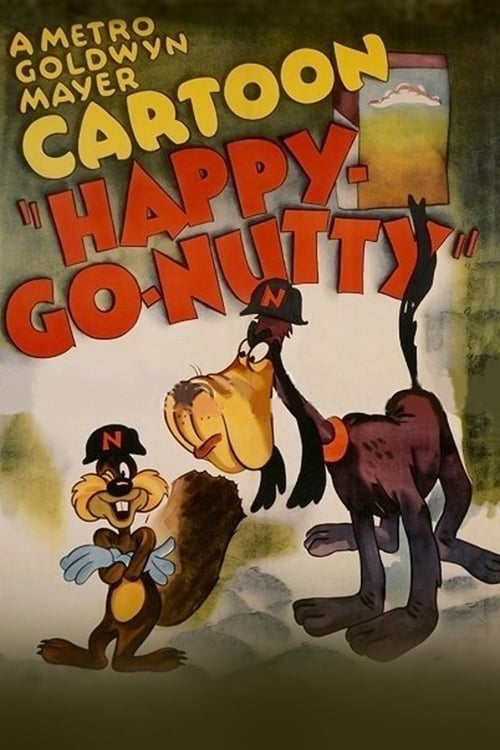
Happy-Go-Nutty
1944
No user ratings available yet
Diversity score: 1.6 out of 10

1946
Director
Tex Avery
Runtime
8 minutes
Average Rating
No ratings yetSynopsis
Screwy Squirrel becomes the playmate of Lenny, a lonesome, dopey, but strong dog, in this broad parody of John Steinbeck's "Of Mice and Men".
Overall Score
Limited
Category Breakdown
LGBTQ+ Representation
The film contains no evidence of queer narratives or non-heteronormative identities. It adheres to the social constraints typical of 1940s comedic shorts.
Gender Representation
The narrative centers on male-coded archetypes of strength and intellectual deficiency. There is no indication of female agency or the subversion of mid-century gender hierarchies.
Racial & Ethnic Diversity
The film lacks a diverse cast or intersectional depth. In this era of animation, representation of non-Anglo-Saxon characters was often limited or relied on prevailing caricatures.
Religious & Cultural Diversity
As a parody of Steinbeck, the film deconstructs tragic themes through absurdity. However, it largely reinforces Western social norms rather than critiquing them.
Disability Representation
Lenny is portrayed as a 'dopey' character, a common comedic trope regarding cognitive function. The film avoids sentimentalism by framing him through surrealist slapstick.
Strengths
Areas for Improvement
AI Analysis
Lonesome Lenny functions as a broad, kinetic parody of Steinbeck's 'Of Mice and Men.' While Tex Avery's surrealist style disrupts traditional narrative logic, the film remains rooted in the social archetypes of 1946. The work prioritizes comedic timing and archetype-driven humor over intersectional representation. It relies on established mid-century tropes rather than subverting social hierarchies. Ultimately, the film reflects the standard narrative architecture of its era, focusing on slapstick absurdity rather than diverse or complex character identities.
1944
1945
1951
1947
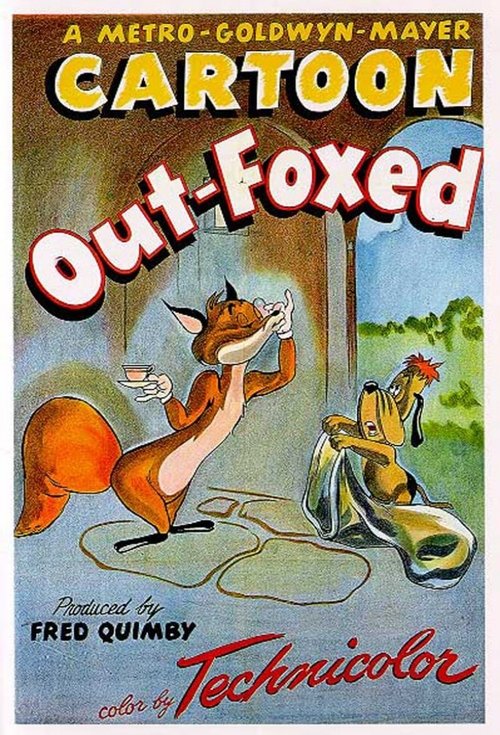
1949
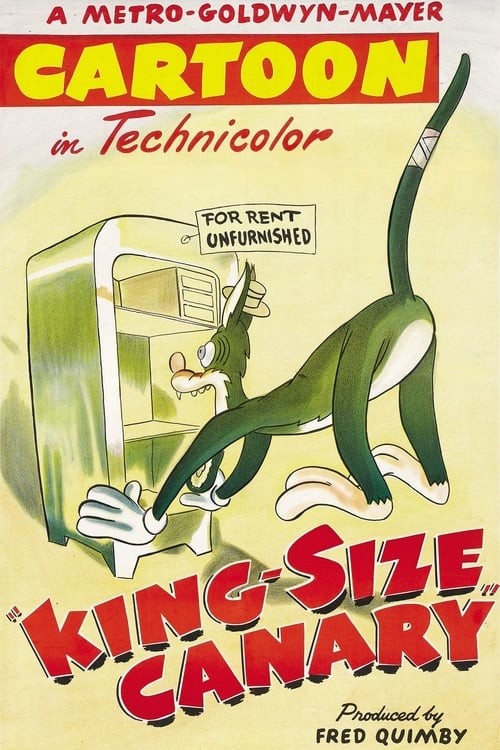
1947
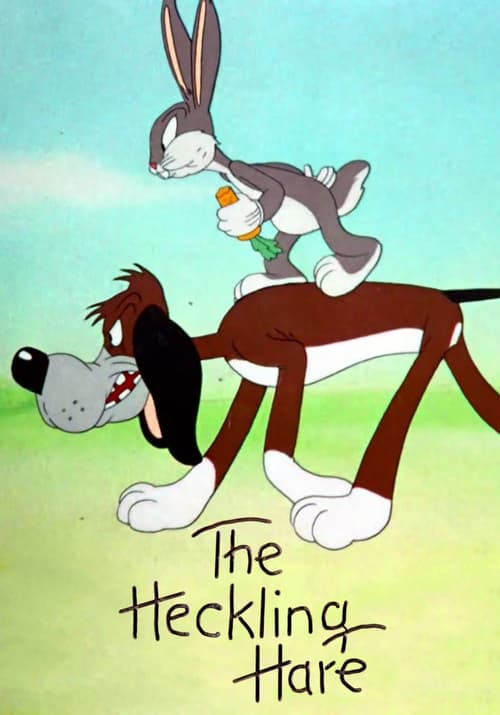
1941
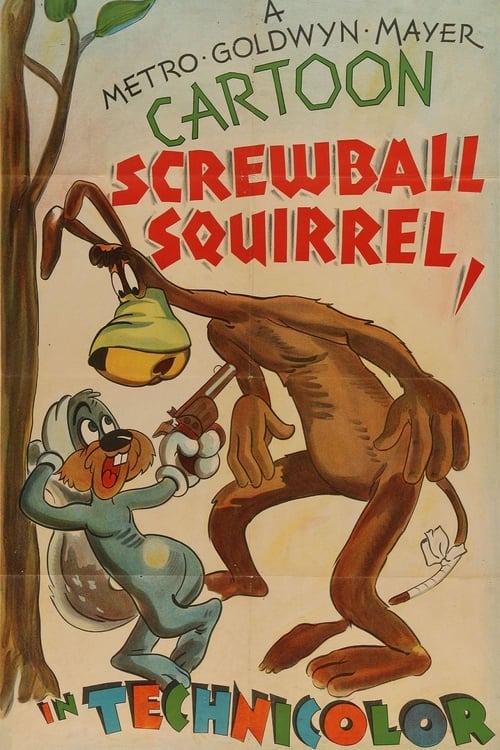
1944
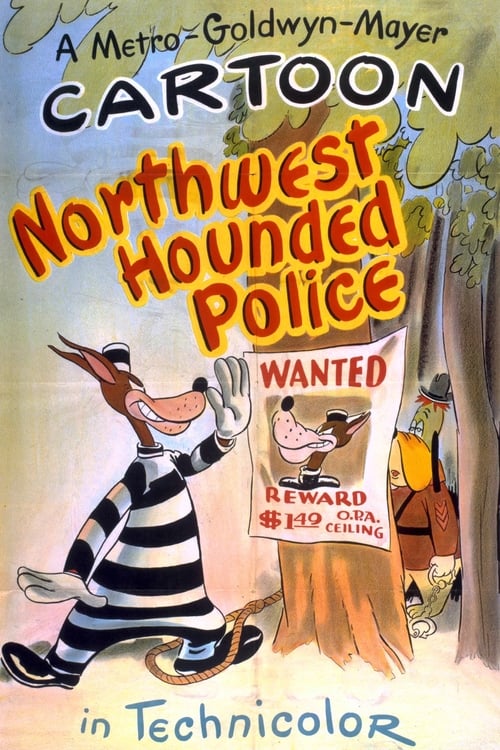
1946
1937
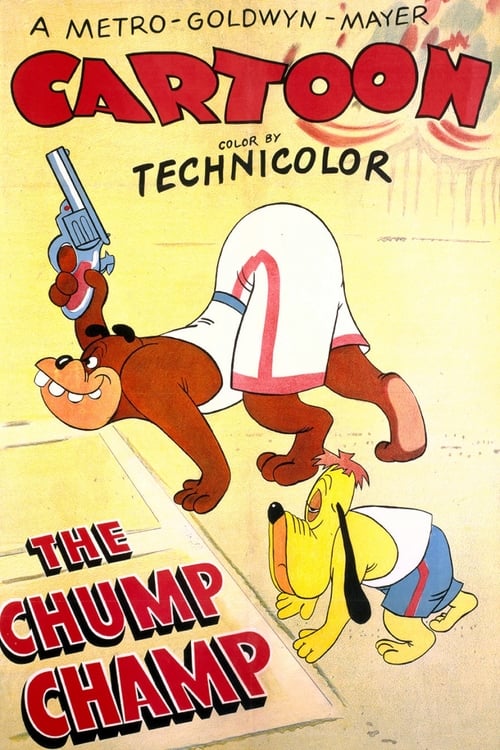
1950
1941
No reviews yet. Be the first to share your thoughts on this movie!
Use the rating form above to leave a star rating and optional review.