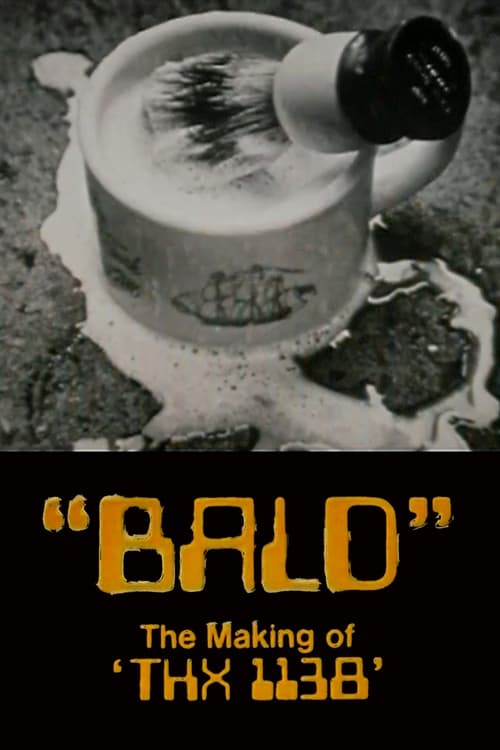
Artifact from the Future: The Making of 'THX 1138'
2004
No user ratings available yet
Representation score: 1.8 out of 10
Representation Score
Fair
1971
Director
George Lucas
Runtime
8 minutes
Average Rating
No ratings yetNew Showbiz Analysis
This documentary primarily focuses on the study of aesthetic uniformity and the deconstruction of individuality. It effectively presents a thematic critique of institutional control through the visual erasure of the cast's hair. However, the film lacks meaningful representation of multiple aspects of identity. While it explores anti-authoritarian themes, it provides limited insight into racial, gendered, or LGBTQ+ identities beyond the physical stripping of aesthetic markers. Ultimately, the work offers a specialized look at production design and conceptual science fiction rather than a diverse social portrait.
Category Breakdown
The documentary does not include any LGBTQ+ characters or themes. It focuses solely on the technical and aesthetic preparation for the feature film.
Female actors like Maggie McOmie go through the same head-shaving process as men, indicating an effort to remove gender-specific aesthetics. However, the film lacks deeper exploration of broader gender hierarchies.
The footage centers on specific actors and their physical transformations. There is no indication of a diverse cast or intentional racial blending within this documentary.
The film explores the 'used future' concept, challenging utopian science fiction clichés. The shaving of actors symbolizes the loss of personal identity to systemic authority.
The documentary captures Marshall Efron preparing to portray a character marked by psychological instability. While it touches on the theme of mental fragmentation, the character's role and impact remain unclear.
Present on Screen
Limited or Absent
Official Synopsis
The film features a conversation between Lucas and Francis Ford Coppola, producer of THX 1138. They discuss Lucas' vision for the film, including his ideas about science fiction in general and in particular his concept of the "used future" which would famously feature in his film Star Wars. Intercut with this discussion is footage shot prior to the start of production of THX 1138 showing several of its actors having their heads shaved, a requirement for appearing in the film. In several cases the actors are shown being shaved in a public location. For example, Maggie McOmie is shaved outside the Palace of Fine Arts in San Francisco, while Robert Duvall watches a sporting event as his hair is cut off. Another actor, Marshall Efron, who would later play an insane man in the film, cut off his own hair and was filmed doing so in a bathtub.
2004
2019
1968
2004

2007

2003
1992
2004
No reviews yet. Be the first to share your thoughts on this movie!
Use the rating form above to leave a star rating and optional review.