Kiss Kiss Kiss
1964
No user ratings available yet
Representation score: 6.4 out of 10
No Poster Available
Representation Score
Fair
1964
Director
Tadanori Yokoo
Runtime
7 minutes
Average Rating
No ratings yetNew Showbiz Analysis
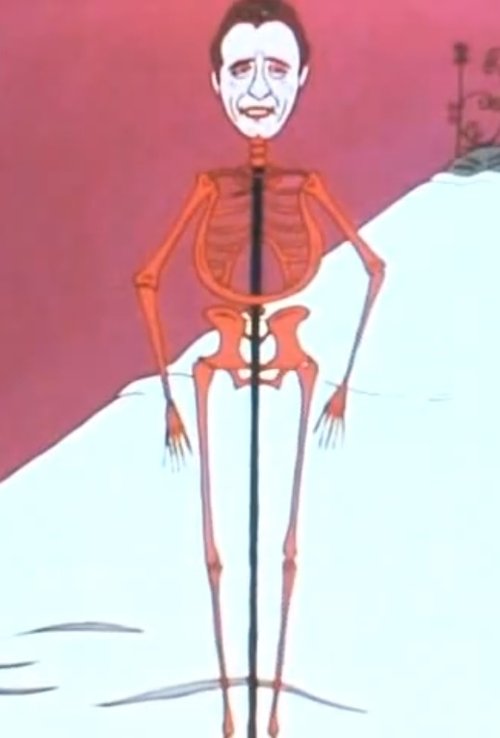
Tadanori Yokoo’s *Anthology No. 1* serves as a visual experiment in collage and abstraction, rather than a conventional narrative. Given its non-narrative and experimental nature, traditional measures of personal ability to act and social identity are hard to apply. The film successfully disrupts Western visual hierarchies by emphasizing a Japanese avant-garde perspective. Its psychedelic, collage-based aesthetic challenges the established animation styles of the 1960s. However, the absence of human characters means the film does not offer direct representations of gender, race, or sexual orientation. Instead, it remains a stylistic disruption rather than a vehicle for storytelling that reflects multiple aspects of identity.
Category Breakdown
The film does not show any clear representations of LGBTQ identities or romantic relationships. Its avant-garde style challenges traditional visuals but does not include explicit LGBTQ themes.
The work focuses on abstract imagery that removes traditional gender roles. However, it does not provide specific examples of women taking active roles in the story.
This Japanese avant-garde film presents a non-Western aesthetic. It challenges Western animation styles but does not clearly depict characters from diverse racial backgrounds.
The film uses surrealism to question traditional institutions and norms. Its experimental nature suggests a focus on secular, subjective experiences rather than religious or cultural traditions.
There is no depiction of physical or neurodivergent disabilities in this experimental film.
Present on Screen
Limited or Absent
Official Synopsis
Yooko short animation.
1964

1995
1968
1964
1996
1967
1965
1964
No reviews yet. Be the first to share your thoughts on this movie!
Use the rating form above to leave a star rating and optional review.