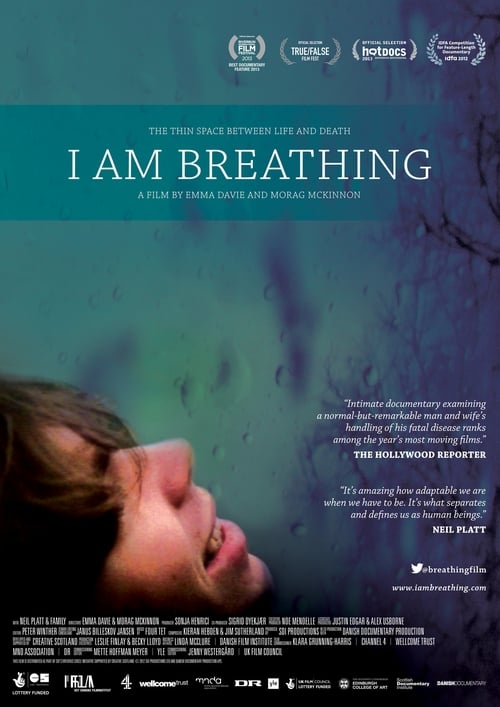
I Am Breathing
2013
No user ratings available yet
Representation score: 7.5 out of 10
No Poster Available
Representation Score
Good
2016
GDirector
Amy Hardie
Runtime
83 minutes
Average Rating
No ratings yetNew Showbiz Analysis
Amy Hardie’s documentary shifts the focus from clinical authority to the personal, human experience of terminal illness. By avoiding common clichés of triumph, it offers a meditative look at the uncertainties of modern life expectancy. The film’s strength lies in its dignified portrayal of disability and its critique of institutionalized medical narratives. It treats patients as individuals with ability to act rather than mere subjects of a diagnosis. However, the film’s demographic impact is hard to gauge due to a lack of specific data on racial or LGBTQ+ representation.
Category Breakdown
While the film does not explicitly confirm any LGBTQ+ characters or non-assuming gender matches what was assigned at birth identities, it hints at the possibility of exploring non-traditional interpersonal dynamics through individual ability to act.
The film highlights the emotional and musical ability to act of patients, moving away from traditional patriarchal medical hierarchies and focusing on personal expression.
There is insufficient information available to evaluate the racial or ethnic composition of the patients or the creative team.
The film questions traditional Western and religious views on death, favoring a postmodern perspective that values subjective experiences over rigid beliefs about mortality.
Avoiding the cliché of inspiration porn, the film portrays patients actively using music to navigate their lives, emphasizing their ability to act and complexity.
Present on Screen
Limited or Absent
Official Synopsis
The intimate story behind our changing relationship with death. A terminal diagnosis used to mean death within months. Modern medicine allows patients to live on for years. A passionate and touching film about uncertainty, about the future that faces all of us, following five patients who choose to sing their way through life, with a score by Mark Orton.
2013
1978
2003
2020
2015
2016
2016

2011
No reviews yet. Be the first to share your thoughts on this movie!
Use the rating form above to leave a star rating and optional review.