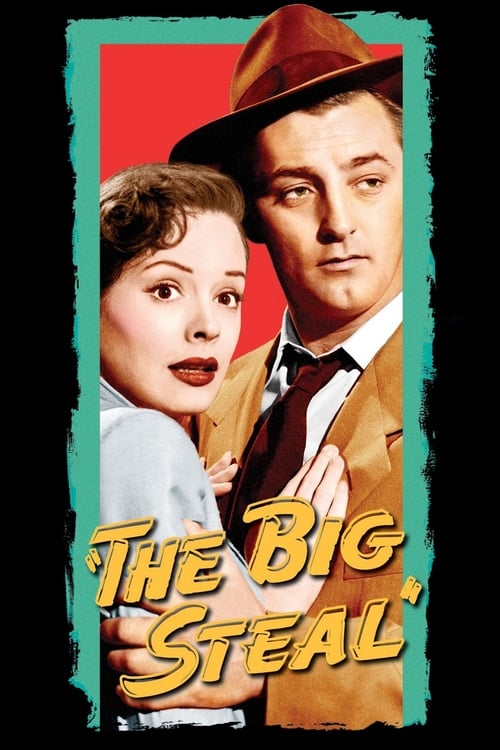
The Big Steal
1949
No user ratings available yet
Representation score: 1.2 out of 10

Representation Score
Minimal
1963
Director
John Hayes
Runtime
85 minutes
Average Rating
No ratings yetNew Showbiz Analysis
Five Minutes to Love functions as a conventional 1960s crime thriller, emphasizing genre-specific suspense over the challenge of social hierarchies. The film leans heavily on standard character types and traditional family dynamics. Narrative control is primarily driven by male characters, with the male protagonist taking the lead while the female character becomes more reactive and pursued. The social landscape is depicted as homogeneous, aligning with the demographic norms of the time. Overall, the film engages minimally with the overlapping aspects of identity, focusing instead on a straightforward conflict between law-abiding citizens and a criminal adversary.
Category Breakdown
The film does not include any LGBTQ+ characters or non-cisgender identities. It focuses on a traditional nuclear family without challenging the assumption that everyone is straight.
The film follows traditional gender roles. Ben drives the plot through action, while Edna plays a more passive, reactive role, falling into a classic damsel-in-distress stereotype.
The setting implies a homogeneous society typical of mid-century cinema. There are no characters of color with significant influence or ability to act.
The story emphasizes Western social structures and the importance of the nuclear family. Conflicts arise from individual criminal behavior rather than broader societal critiques.
Blowhard is portrayed as dim-witted, but it is unclear if this represents neurodivergence or a harmful stereotype about intelligence. A score cannot be assigned due to this ambiguity.
Present on Screen
Limited or Absent
Official Synopsis
Ben, Edna and their baby daughter are headed to California when their car breaks down. Ben ventures off to the junkyard in search of a spare part to fix his car. Coincidentally, Harry (the seedy junkyard owner) has just been accused by the police of selling stolen auto parts, and claims that he gets his cars from someone else. Ben wanders into the junkyard just in time for Harry to frame him and use him as a scapegoat. When Ben doesn't return after quite a while, Edna goes looking for him. She is then chased around the junkyard by Harry's odd, dim-witted friend Blowhard.
1949
1956
1950
1949
1954
1936
1952

1955
No reviews yet. Be the first to share your thoughts on this movie!
Use the rating form above to leave a star rating and optional review.