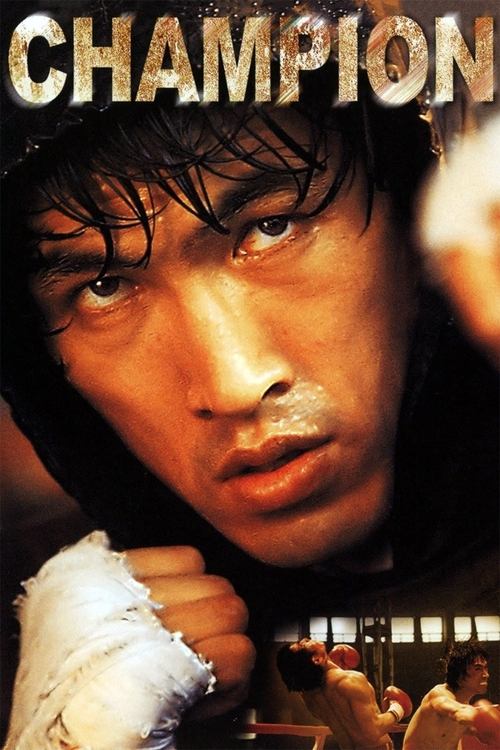
Champion
2002
No user ratings available yet
Representation score: 3.2 out of 10

Representation Score
Limited
1966
Director
Im Kwon-taek
Runtime
100 minutes
Average Rating
No ratings yetNew Showbiz Analysis
Im Kwon-taek’s 1966 drama is a culturally specific work that emphasizes ethnic authenticity over diverse representation. While it successfully presents a localized Korean perspective, it adheres to traditionalist frameworks that limit its portrayal of gender and identity. The film excels in its authentic depiction of the Korean social landscape of the time, even if it does not address modern social diversity.
Category Breakdown
The film does not depict any non-traditional gender identities. It focuses on the masculine pursuits of physical dominance typical of 1960s South Korea.
The story centers around a male-dominated boxing hierarchy, reinforcing traditional patriarchal structures without showing women taking leading roles.
The film features a predominantly Korean cast, offering a highly authentic representation of the mid-1960s Korean social landscape. It avoids Western-centric casting conventions.
The narrative explores personal ambition and the moral complexities of social climbing. It highlights the instability of social status without focusing on institutional stability.
The film does not include characters with physical or neurodivergent disabilities. The plot remains centered on the physical demands of boxing and social advancement.
Present on Screen
Limited or Absent
Official Synopsis
Trainer Meng Doo-ho spots Young-chul in a bar fight and decides to turn him into a boxing champion.
2002

1943
1946

2013
2009

1963
1986

1947
No reviews yet. Be the first to share your thoughts on this movie!
Use the rating form above to leave a star rating and optional review.