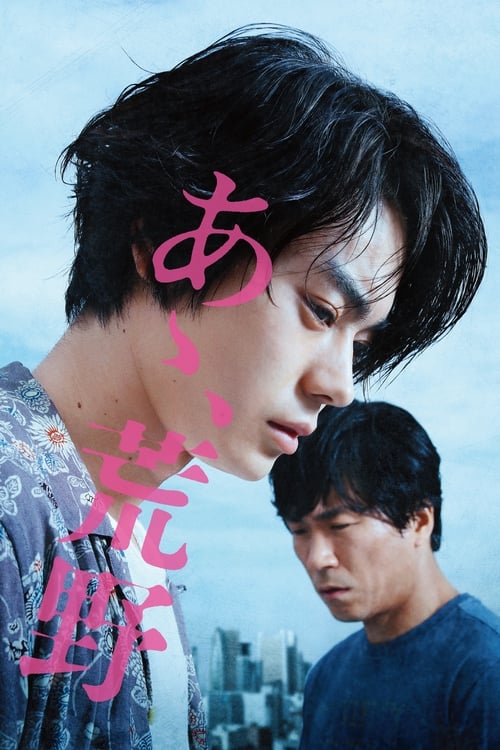
Wilderness: Part 1
2017
No user ratings available yet
Representation score: 7.5 out of 10
Representation Score
Good
2017
Director
Yoshiyuki Kishi
Runtime
147 minutes
Average Rating
No ratings yetNew Showbiz Analysis
Wilderness: Part 2 is a gritty character study that finds strength in vulnerability. By centering on characters like Barikan, who struggles with a stutter and extreme shyness, the film disrupts traditional cinematic portrayals of male competence and social ease. The film excels in its portrayal of disability and social marginalization, using the urban landscape of Shinjuku to explore the lives of those on the fringes of society. However, the film remains limited by its narrow demographic focus, with a heavy emphasis on male protagonists and a lack of explicit LGBTQ+ representation.
Category Breakdown
The film highlights the friendship between two male characters but does not depict any non-straight or non-cisgender identities or intimate relationships.
The story primarily features male characters and follows traditional storytelling structures. However, it avoids overly masculine clichés by emphasizing vulnerability and social struggle.
Set in Shinjuku, the film reflects a specific Japanese cultural context. It moves away from idealized depictions by focusing on social outcasts and urban stratification.
The narrative prioritizes the perspective of individuals who face systemic challenges and navigate difficult economic conditions. It critiques established social institutions through its characters' struggles.
Barikan provides meaningful representation of neurodivergence and communication disabilities. His stutter and social anxiety are central to the emotional arc rather than secondary traits.
Present on Screen
Limited or Absent
Official Synopsis
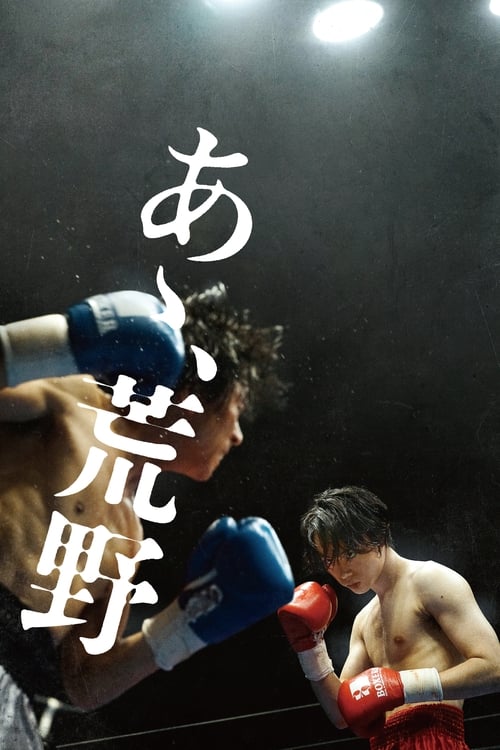
Set in the near future around Shinjuku, Tokyo. Shinji got out from a youth detention center. Barikan suffers from stuttering and extreme shyness. These two men meet in a boxing gym. Shinji and Barikan become friends and pursue boxing under a hopeless situation.
2017

2001

2011

2000
2020

2017
2021

2007
No reviews yet. Be the first to share your thoughts on this movie!
Use the rating form above to leave a star rating and optional review.