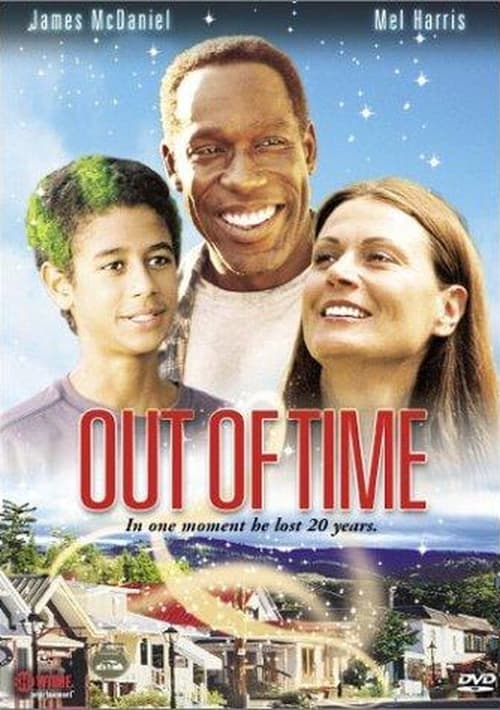
Out of Time
2000
No user ratings available yet
Representation score: 0.1 out of 10

Representation Score
Excellent
2020
Director
Quincy Ledbetter
Runtime
88 minutes
Average Rating
No ratings yetNew Showbiz Analysis
Alieu the Dreamer uses a speculative fantasy lens to explore the tension between institutional control and individual expression. By focusing on a phenomenon occurring within the projects, the film highlights characters living outside traditional power structures. The narrative effectively reframes systemic exclusion as a site of transformative ability to act. The protagonist's unique ability to dream serves as a metaphor for reclaiming autonomy in a stagnant, regulated world. While the film excels in racial and cultural commentary, it remains silent on explicit LGBTQ representation and specific disability portrayals, relying instead on broader metaphorical interpretations.
Category Breakdown
The film does not explicitly address queer identities or non-straight relationships. While the dreaming motif might symbolize repressed identities, the text remains neutral on this point.
The story centers on a male government agent and a young man, indicating a predominantly male-focused narrative. However, the disruption of global norms provides a framework to challenge traditional gender hierarchies.
Set in the projects, the film highlights urban, underrepresented communities. It explores individual ability to act within a landscape shaped by systemic neglect and socio-economic disadvantage.
The narrative critiques institutional stability by portraying the state as an entity regulating human impulses. It emphasizes individual, non-conformist experiences over the order of centralized institutions.
The global inability to dream serves as a metaphorical cognitive deficit. The protagonist’s ability to dream highlights his neuro-atypicality as a source of ability to act rather than a deficiency.
Present on Screen
Limited or Absent
Official Synopsis
In a world where mankind hasn't dreamed for three decades, a driven government agent finds a young man living in the projects who has suddenly started dreaming.
2000

2015

2003
2021

2021

2017

2011

2015
No reviews yet. Be the first to share your thoughts on this movie!
Use the rating form above to leave a star rating and optional review.