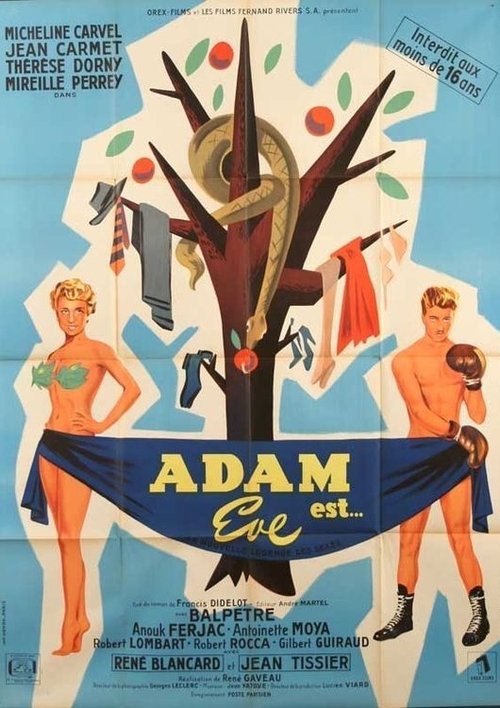
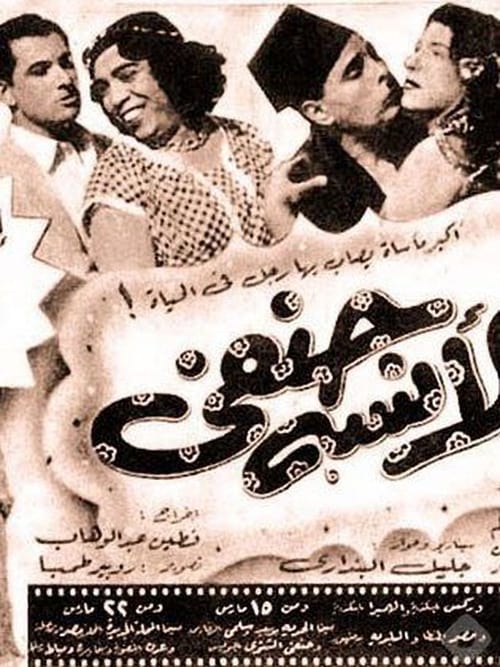
Adam Is... Eve
1954
No user ratings available yet
Representation score: 3.8 out of 10
Representation Score
Excellent
1954
Director
Fatin Abdel Wahab
Runtime
120 minutes
Average Rating
No ratings yetNew Showbiz Analysis
Miss Hanafi provides a unique mid-century perspective on identity through social comedy. By centering an involuntary gender transition, the film challenges the era's rigid gender norms and social hierarchies. The film excels in its authentic Egyptian cultural representation, resisting Western storytelling norms. However, its reliance on medical accidents for humor limits its depth on disability and bodily autonomy. While the gender subversion is groundbreaking, it remains tied to the comedic conventions of 1954.
Category Breakdown
The film explores gender transition through a medical accident, challenging the gender binary without delving deeply into LGBTQ identity. The comedic focus on shock limits the complexity of the character's journey.
Fifi's transformation from a stern man to a flirtatious woman highlights the performative nature of gender roles. This shift challenges the rigid masculinity of the time by navigating female social spaces.
The film centers on an Arab/North African context with a culturally homogenous Egyptian cast, avoiding Western whitewashing. It emphasizes local community structures, offering a strong representation of regional identity.
Class tension between Hassan and Hanafi critiques social hierarchies and moral rigidity. Humor arises from the instability of social status, highlighting the fluidity of societal roles.
A medical complication drives the plot, but the film focuses on farce rather than exploring the lived experience of the character's transformation. This limits the depth of the disability narrative.
Present on Screen
Limited or Absent
Official Synopsis
Working class Hassan and the rich Hanafi are rivals for Nawaeim's love. Going to the hospital to be treated for a horrible wedding night stomach pain, Hanafi receives an accidental sex change operation. After months of recuperation, he tries to pick up the pieces of his life as an unattractive, mannish woman named Fifi. She becomes the opposite of Hanafi. Where he was brusque, she is flirtatious.
1954

1970
1980
1955

1964
1956
1967

1966
No reviews yet. Be the first to share your thoughts on this movie!
Use the rating form above to leave a star rating and optional review.