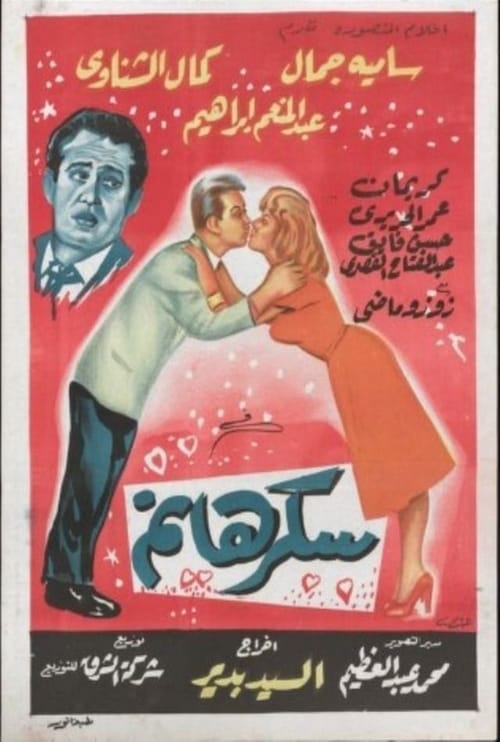
Lady Sukkar
1960
No user ratings available yet
Representation score: 3.2 out of 10
Representation Score
Limited
1980
Director
Niazi Mostafa
Runtime
100 minutes
Average Rating
No ratings yetNew Showbiz Analysis
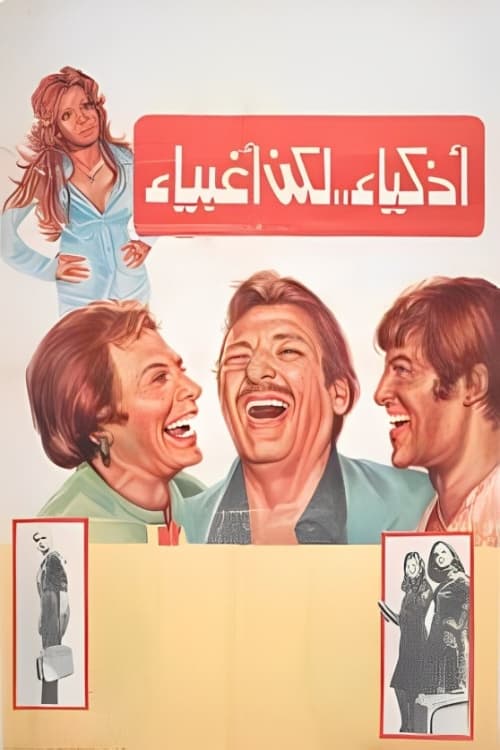
Smart but Stupid employs classic farce, using gender-switching as a tool for physical comedy and mistaken identity. While the protagonists take on female personas to secure housing, the motivation is practical rather than exploratory of identity. The film adheres to conventional comedic structures of its era. It features a traditional romantic foundation and a culturally homogeneous cast typical of Egyptian cinema in 1980. Overall, the work uses unconventional presentation as a plot device without challenging systemic hierarchies or prioritizing the roles of underrepresented groups.
Category Breakdown
The film uses cross-dressing as a key element for comedic situations. However, it does not delve into queer identity or explore non-traditional gender presentations.
The protagonists use disguises to solve housing problems. Despite this, the story sticks to traditional romantic structures where female characters serve as love interests.
The production provides a local Egyptian cultural backdrop. The cast remains ethnically uniform, reflecting its regional origins and time period.
The plot follows traditional social norms. It centers on individuals navigating personal challenges through deception without addressing broader societal issues.
There are no characters with visible or invisible disabilities in the story.
Present on Screen
Limited or Absent
Official Synopsis
In an attempt to rent a room whose owner only rents to girls, Zaghloul and Hassouna dress up as women. As they meet the villa's residents Nagwa and Nahed, the girls end up falling for them.
1960
1973
1956

2008
1969

2001
1973
1964
No reviews yet. Be the first to share your thoughts on this movie!
Use the rating form above to leave a star rating and optional review.