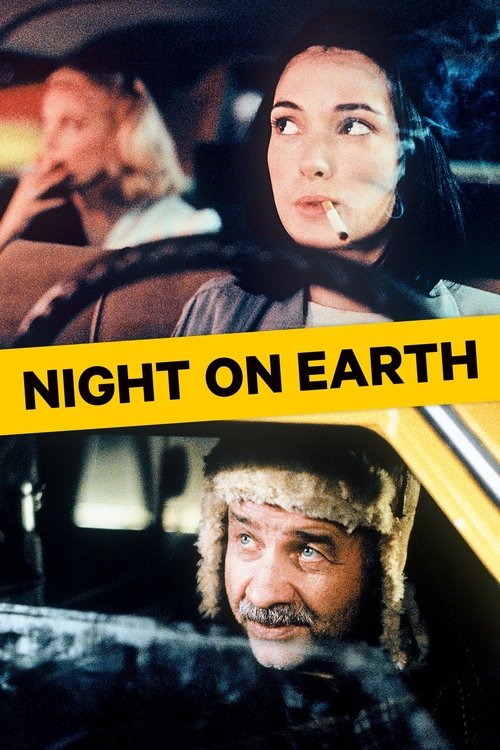
Night on Earth
1991
No user ratings available yet
Representation score: 7.9 out of 10
Representation Score
Fair
1989
PGDirector
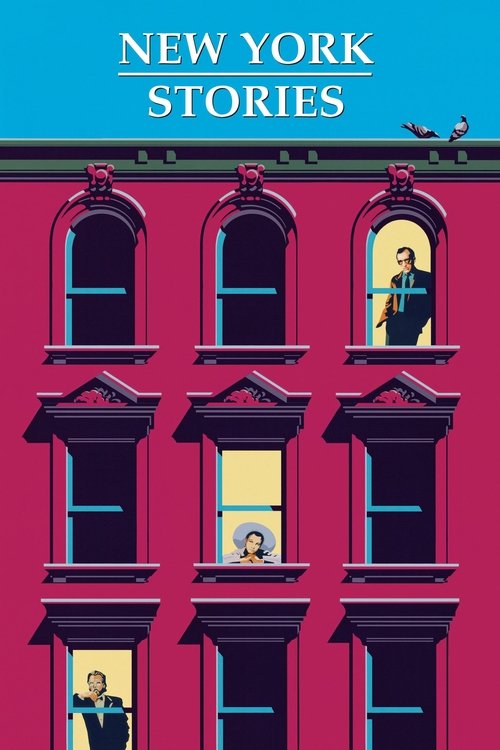
Francis Ford Coppola, Woody Allen, Martin Scorsese
Runtime
124 minutes
Average Rating
No ratings yetNew Showbiz Analysis
New York Stories is a psychological anthology that prioritizes individual neurosis over communal or diverse representation. While the film succeeds in deconstructing traditional Western institutions like the family and capitalism, it does so through a very narrow demographic lens. The narrative architecture favors moral relativism and subjective truth, often using psychological instability as a plot driver. This creates a rich character study but limits the breadth of the social landscape depicted. Ultimately, the film's strength lies in its subversion of social stability, even as it fails to include significant racial, ethnic, or LGBTQ+ perspectives.
Category Breakdown
The film lacks prominent LGBTQ+ characters or non-assuming gender matches what was assigned at birth identities. The narrative remains anchored in conventions that assume everyone is straight despite exploring unconventional relationship dynamics.
Traditional gender hierarchies are disrupted through psychological volatility and neurosis. While challenging masculine stability, the film occasionally relies on clichés of female fragility.
The casting focuses predominantly on white, Caucasian protagonists. The film presents a relatively homogeneous view of the New York experience within specific socioeconomic silos.
The anthology excels at critiquing Western institutions and traditional family structures. It frames capitalism and social norms through a lens of moral relativism.
Mental health and neurosis serve as central thematic pillars. However, these portrayals often lean into 'tortured artist' clichés rather than providing genuine ability to act.
Present on Screen
Limited or Absent
Official Synopsis
Three tales of love, ambition, and neurosis unfold in the city that never sleeps. In "Life Lessons" (Martin Scorsese), a tormented painter channels heartbreak into his art. In "Life Without Zoë" (Francis Ford Coppola), a precocious 12-year-old navigates privilege and loneliness in a Manhattan hotel. And in "Oedipus Wrecks" (Woody Allen), a man’s domineering mother literally becomes a looming presence over New York.
1991
1994
1984

1981

1986
1997
1985
1975
No reviews yet. Be the first to share your thoughts on this movie!
Use the rating form above to leave a star rating and optional review.