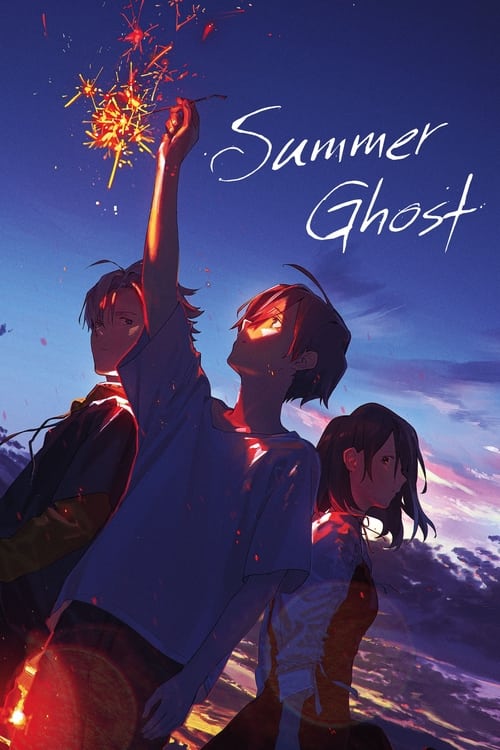
Summer Ghost
2021
No user ratings available yet
Representation score: 3.1 out of 10
Representation Score
Minimal
2026
Director
Tomohiko Ito
Runtime
114 minutes
Average Rating
No ratings yetNew Showbiz Analysis
The film’s diversity profile is shaped by its cultural focus and narrow character scope. Spiritual motifs and workplace critique provide meaningful cultural texture, but the story remains tightly bound to a single male perspective. This limits broader representation. Gender imbalance is pronounced: women appear in supporting roles without independent agency. The absence of LGBTQ+ characters and disabled individuals further restricts inclusivity. These gaps reduce the film’s relevance for diverse audiences. Cultural specificity is a strength, grounding the narrative in Japanese traditions and social critique. However, the lack of intersectional representation means the film’s themes, while resonant locally, do not extend to wider global experiences.
Category Breakdown
No LGBTQ+ characters appear or are identified. The narrative centers on a male protagonist’s crisis and a heterosexual-appearing family structure. This absence narrows the film’s emotional range and excludes queer viewers from seeing themselves reflected.
The story orbits Reito Naoi, whose failures and choices drive the plot. Women like Chifune Yanagisawa and Yumi Saji occupy supporting roles tied to family or community. Female characters lack independent arcs, reinforcing a male-centric perspective.
The film is a Japanese anime with an all-Japanese cast and setting. Characters reflect a single ethnic background consistent with the local cultural context. There is no cross-cultural casting or visible racial diversity in the narrative.
Shrine imagery and a guardian role anchor the story in traditional Japanese spirituality. The plot critiques unfair workplace practices, framing systemic failure as a catalyst for personal ruin. These elements lend cultural specificity and moral weight.
No characters with physical or mental disabilities are presented. Reito’s struggles are psychological and socioeconomic rather than disability-related. This omission leaves disabled audiences without representation or narrative resonance.
Present on Screen
Limited or Absent
Official Synopsis
Reito Naoi, a young man fired unfairly from his day job, finds himself hitting rock bottom when he's arrested after a desperate attempt to get back on his feet. With nothing left to him, he surrendered himself to fate, giving up on any hopes for the future, and lost the will to make his own choices in life. But one day, a chance encounter threw him a lifeline that could change his fate forever.
2021
1985

2026

1962

2022
2014

2022
2022
No reviews yet. Be the first to share your thoughts on this movie!
Use the rating form above to leave a star rating and optional review.