
Jesse Stone: Lost in Paradise
2015
No user ratings available yet
Representation score: 2.0 out of 10
Representation Score
Limited
2006
Not RatedDirector
Robert Harmon
Runtime
89 minutes
Average Rating
No ratings yetNew Showbiz Analysis
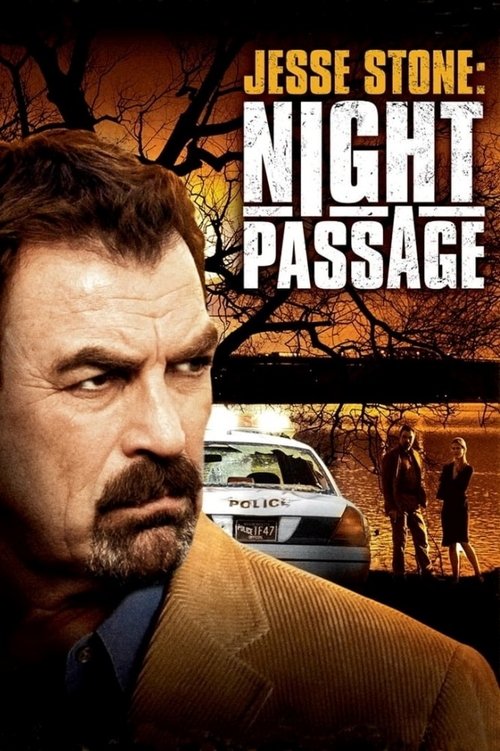
Jesse Stone: Night Passage is a traditional neo-noir procedural that emphasizes genre conventions over social critique. The film upholds established demographic norms, focusing on a localized, homogeneous community in Massachusetts. The narrative centers on a white, working-class community and adheres to classic male clichés. While female characters exhibit professional ability to act, the film does not challenge traditional gender hierarchies or include diverse ethnic backgrounds. Ultimately, the film serves as a character study of personal struggle and professional duty. It avoids exploring multi-layered identities, opting for a narrow, genre-specific focus on local corruption and individual morality.
Category Breakdown
The film does not include any LGBTQ+ characters or explore non-straight relationships. It stays within traditional social norms.
The story relies on traditional gender roles, focusing on a stoic, classic male lead. Female characters have professional roles but remain within established social structures.
The setting is shown as a culturally uniform coastal town. The narrative focuses on white, working-class and middle-class individuals.
The film follows typical crime procedural themes, emphasizing law enforcement and professional duties. It does not engage with anti-institutional or diverse cultural narratives.
Psychological trauma and addiction are portrayed as personal challenges rather than disabilities. These elements contribute to the noir atmosphere without addressing disability issues.
Present on Screen
Limited or Absent
Official Synopsis
A prequel to "Stone Cold", the story picks up after Jesse Stone is fired from the Los Angeles Police Department. He becomes an unlikely candidate recruited by a town council to become police chief of Paradise, MA, a small fishing town on Boston's North Shore. The board hopes his failed experience will keep him from digging too deep into the town's secrets. His first assignment is to investigate the murder of his predecessor whose death may be tied to a local domestic disturbance case, with connections to money laundering and murder involving some of the town's most affluent names as possible suspects.
2015

2005

1987
2010

2011

2007

2009

2006
No reviews yet. Be the first to share your thoughts on this movie!
Use the rating form above to leave a star rating and optional review.