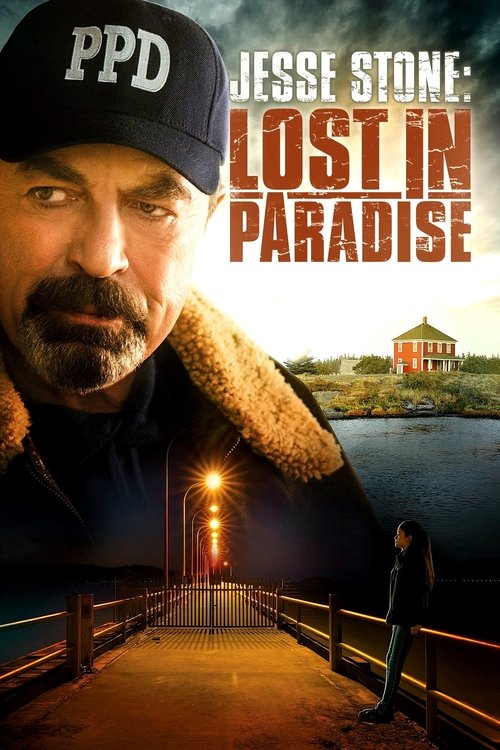
Jesse Stone: Lost in Paradise
2015
No user ratings available yet
Representation score: 2.0 out of 10
Representation Score
Minimal
2011
Not RatedDirector
Dick Lowry
Runtime
90 minutes
Average Rating
No ratings yetNew Showbiz Analysis
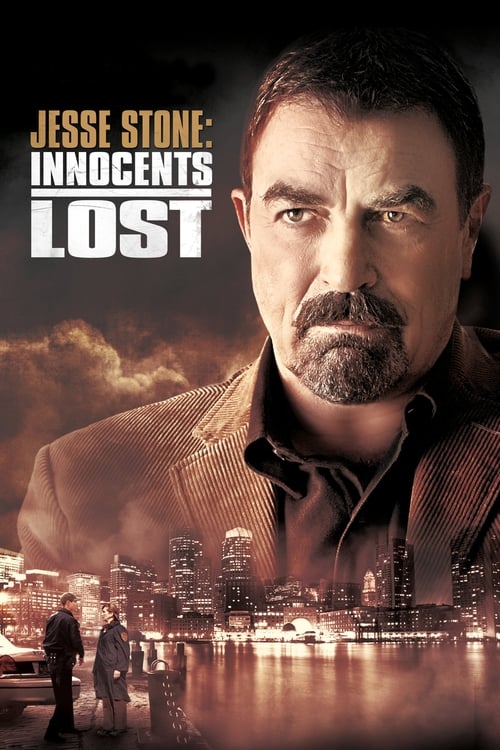
Jesse Stone: Innocents Lost is a traditional crime procedural that adheres closely to genre conventions. The narrative structure centers on a lone investigator, embodying a traditionally masculine perspective. The film maintains a conventional social framework, focusing on individual moral struggles within a localized, homogeneous setting. It reinforces established social hierarchies and authority structures without challenging them. Overall, the film lacks multi-layered complexity. By sticking to standard procedural clichés, it avoids expanding its social scope or questioning the historical status quo of its New England setting.
Category Breakdown
The film does not include any visible LGBTQ+ characters or narratives. The town of Paradise, Massachusetts, is portrayed through a traditional lens without any representation of queer identities.
The story revolves around Jesse Stone, who embodies traditional masculine traits like stoicism and isolation. Female characters have professional roles, but their influence is often defined by their relationship to the main character.
The casting reflects a predominantly white, working-class population typical of New England. The narrative focuses on local socioeconomic issues without highlighting multi-ethnic or multi-layered dynamics.
The film operates within a standard Western institutional framework, emphasizing legal procedures and traditional community values. It does not critique religious or social structures.
There are no characters with visible or invisible disabilities in the film. No such characters play a central role in the narrative.
Present on Screen
Limited or Absent
Official Synopsis
Jesse investigates the suspicious death of a young friend while the police force deals with the arrogant new police chief who is the son-in-law of a town councilman.
2015
2007
2010
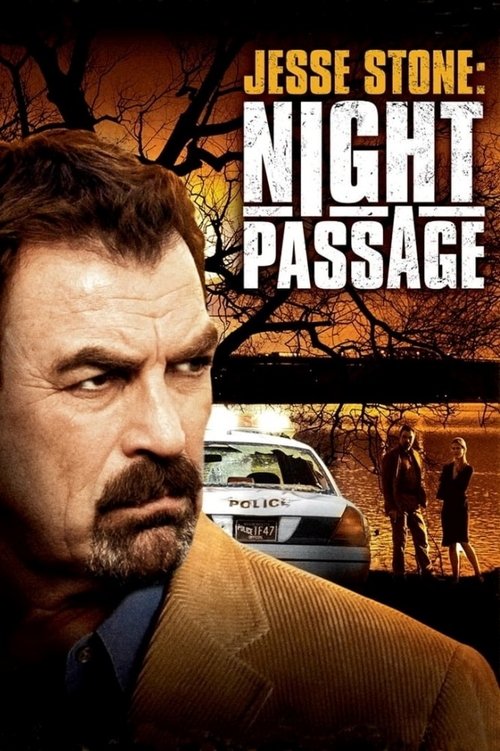
2006
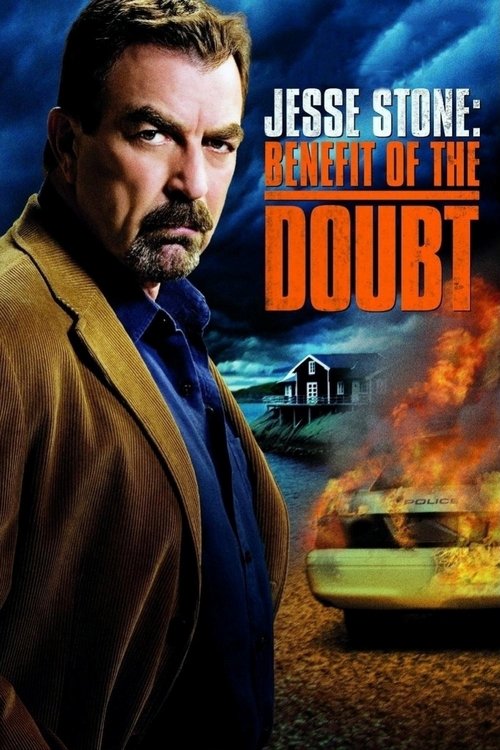
2012
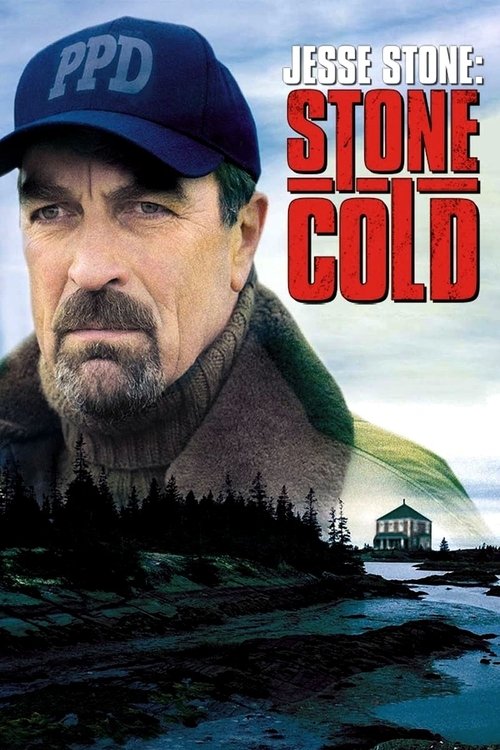
2005
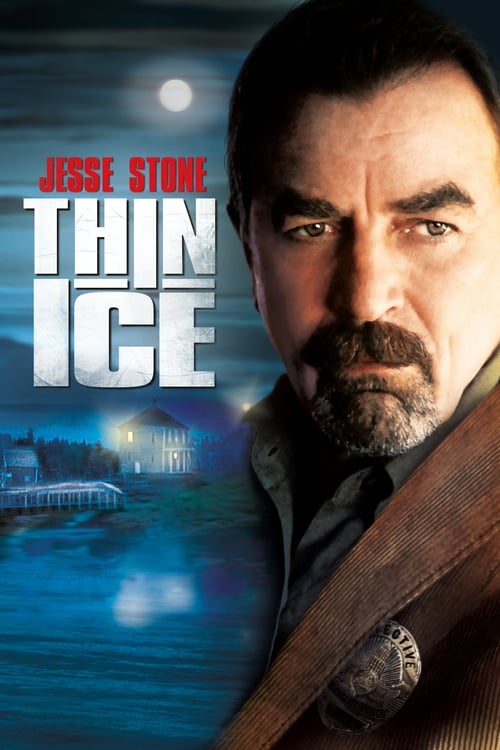
2009
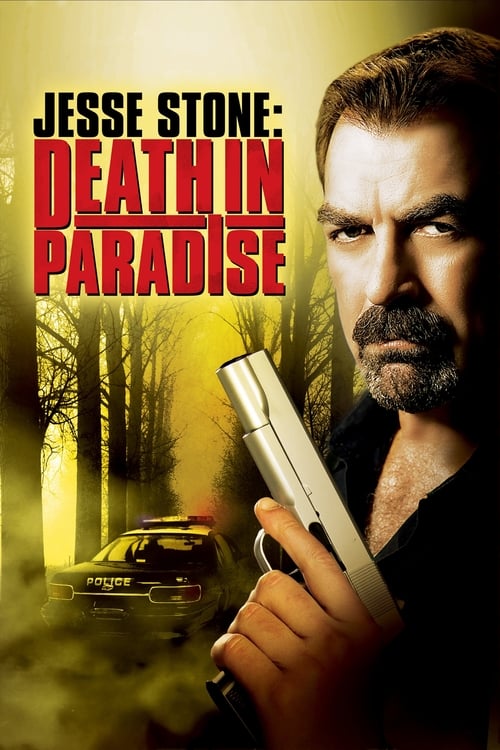
2006
No reviews yet. Be the first to share your thoughts on this movie!
Use the rating form above to leave a star rating and optional review.