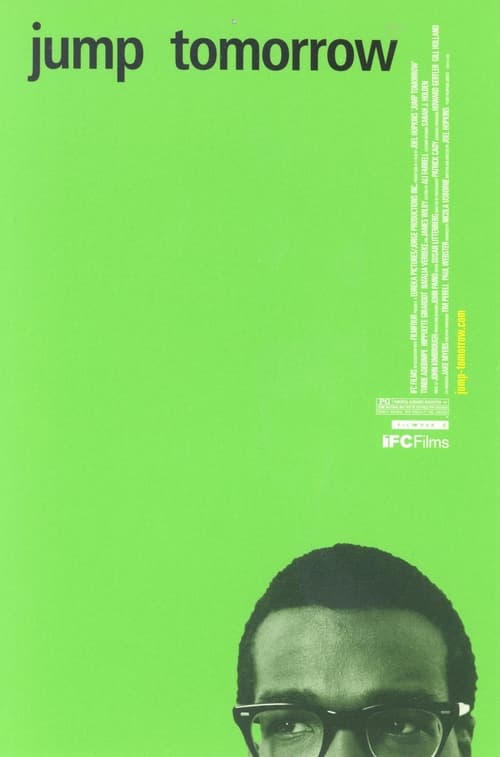
Jump Tomorrow
2001
No user ratings available yet
Diversity score: 3.2 out of 10

2012
NRDirector
Donald Rice
Runtime
93 minutes
Average Rating
No ratings yetSynopsis
England, 1932. Today is Dolly Thatcham's wedding day, and her family is arriving at the manor house with all the cheerfulness, chaos and grievances that accompany such gatherings. Trouble soon appears in the shape of Joseph, Dolly's lover from the previous summer, who throws her feelings into turmoil. But Dolly's mother will not allow her carefully laid plans for her daughter's future to be threatened...
Overall Score
Limited
Category Breakdown
LGBTQ+ Representation
The story focuses on a heteronormative romantic conflict between Dolly and Joseph. There is no evidence of same-sex intimacy or non-cisnormative identities present.
Gender Representation
Dolly navigates a tension between personal desire and systemic maternal pressure. The narrative reinforces traditional gendered expectations regarding marriage and familial stability.
Racial & Ethnic Diversity
Set in 1932 England, the film features a predominantly white cast. It maintains a localized, Anglo-Saxon social framework without diverse casting.
Religious & Cultural Diversity
The drama explores traditional Western institutions like marriage and family lineage. It prioritizes the maintenance of social propriety and maternal authority.
Disability Representation
There are no visible or mentioned depictions of physical or neurodivergent disabilities within the narrative.
Strengths
Areas for Improvement
AI Analysis
The film is a character-driven period drama that prioritizes psychological nuance and interpersonal dialogue. It functions as a classic exploration of romantic turmoil within a historical framework, adhering closely to the social norms of 1932 England. While the film offers a focused study of individual impulse versus social order, it lacks intersectional complexity. The narrative architecture reinforces conventional Western structures regarding gender, family, and social expectations rather than critiquing them. Ultimately, the production operates within established hierarchies. It provides a traditional look at domestic conflict but offers little representation outside of a narrow, historical Anglo-Saxon context.
2001
1956
1998
2004
1976

1999

1939
No reviews yet. Be the first to share your thoughts on this movie!
Use the rating form above to leave a star rating and optional review.