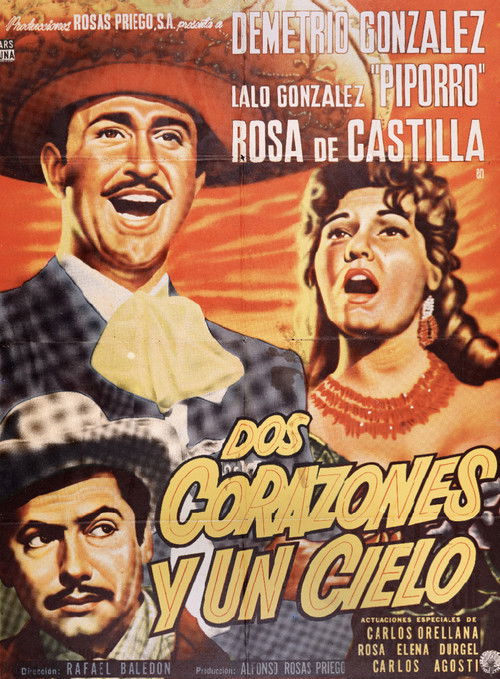
Dos corazones y un cielo
1959
No user ratings available yet
Representation score: 2.9 out of 10
Representation Score
Limited
1943
Director
Jaime Salvador
Runtime
118 minutes
Average Rating
No ratings yetNew Showbiz Analysis
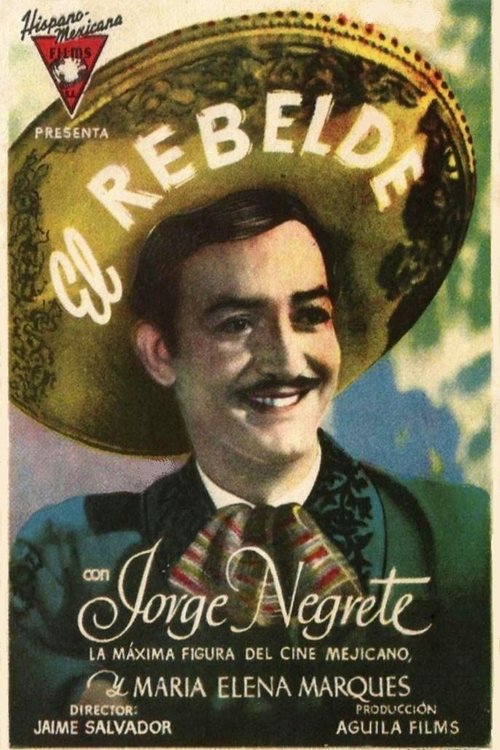
El rebelde (Romance de Antaño) is a quintessential period melodrama that adheres to the social hierarchies and narrative conventions of 1940s Mexican cinema. The story is built around a male-driven quest for vengeance and romantic reclamation, which limits the scope of ability to act for other groups. While the film offers culturally specific representation through its Mexican setting and cast, it functions primarily to reinforce rather than subvert the era's traditional gender and class structures. The lack of multi-layered complexity keeps the narrative within standard genre boundaries.
Category Breakdown
The film follows a traditional romantic arc centered on vengeance and infiltration. There is no evidence of non-straight relationships or same-sex intimacy in the narrative.
Male characters drive the plot through themes of banditry and revenge. Female characters are limited to the domestic setting of the piano teacher cliché and do not have primary narrative control.
The film features a predominantly Mexican cast typical of the Mexican Golden Age. It centers Mexican social structures but does not explicitly challenge internal racial hierarchies.
The story utilizes a traditional melodrama structure focused on individualistic vengeance and romance. It leans toward established moral frameworks rather than exploring secularist or anti-capitalist themes.
There is no mention of characters possessing visible or invisible disabilities within the provided synopsis or records.
Present on Screen
Limited or Absent
Official Synopsis
After a vengeance taken too far costs his father his Hacienda and his life, young Juan Manuel Mendoza becomes a bandit. He will get a chance for revenge and for love after he infiltrates his enemy house as a piano teacher.
1959
1952
1989
1948
1948

1937
1947
1935
No reviews yet. Be the first to share your thoughts on this movie!
Use the rating form above to leave a star rating and optional review.