
The Man Who Came Back
2008
No user ratings available yet
Representation score: 1.6 out of 10
Representation Score
Fair
1985
RDirector
Ed Warnick
Runtime
90 minutes
Average Rating
No ratings yetNew Showbiz Analysis
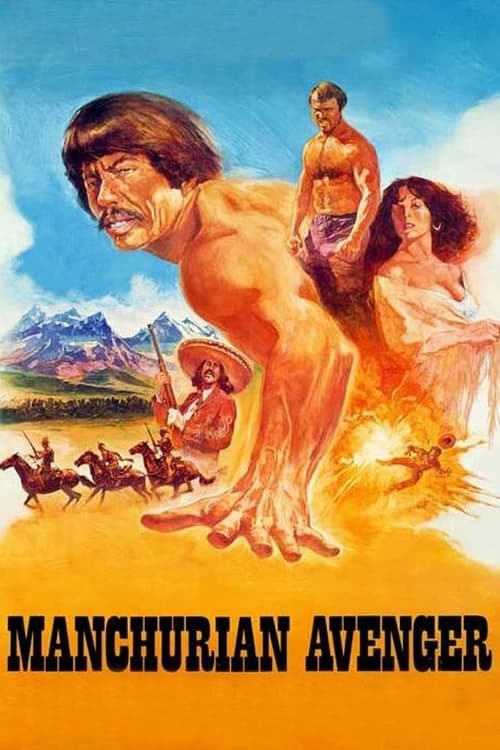
Manchurian Avenger opens with the grainy, high-contrast tension of a 1985 low-budget thriller, placing an Asian-American man, Joe, at the center of a violent frontier conflict. The film’s argument is straightforward: heritage and family loyalty are the only defenses against the greed of white outsiders. Joe’s competence, both physical and moral, is framed as a direct challenge to the traditional Western hero, yet the narrative ultimately reinforces traditional gender and family structures. Booyong, his sister, serves as the moral compass, warning him of danger and managing the household, but her agency is limited to the domestic sphere. The film’s ending rewards survival and family unity, but it does so by upholding traditional hierarchies rather than subverting them. The sold meaning is that Asian identity is a source of strength, but only within the confines of a traditional, patriarchal family structure. The camera loves Joe’s resilience, but it also loves the stability of the family unit, even as it is threatened by external forces. The film’s argument is thin, relying on simple binaries of good and evil, family and outsider, but it is consistent in its depiction of a world where heritage is a shield, and family is the only true refuge.
Category Breakdown
No queer characters or themes appear. The narrative relies entirely on heterosexual pairings and traditional gender roles without addressing sexual orientation.
Booyong serves as the moral center, warning Joe of danger and managing the family’s survival, yet she remains confined to the domestic sphere. Maria is depicted as a romantic interest and victim of the gang’s coercion, while male characters dominate the action and decision-making.
Bobby Kim leads as Joe, an Asian man whose physical competence and moral clarity contrast with the white antagonists. The film centers Asian family dynamics and heritage, treating the protagonist’s identity as integral to the plot rather than a background detail.
The narrative validates family loyalty and heritage as protective forces against external greed. However, it also reinforces traditional gender hierarchies and treats the rural frontier as a site of lawlessness where family bonds are the only shield against violence.
No characters are depicted with physical, sensory, or cognitive impairments. The focus is on physical fitness and psychological resilience rather than disability or neurodiversity.
Present on Screen
Limited or Absent
Official Synopsis
Joe returns to Colorado after many years to help the man who brought him up, Kim. Joes father was killed by a gang looking to find some gold they believe he had found. Joe finds that Kim has also been murdered by them and tries to help his sister and her man to beat the gang and perhaps find the gold.
2008
1973

2010

1976
1936

1966

2008
1966
No reviews yet. Be the first to share your thoughts on this movie!
Use the rating form above to leave a star rating and optional review.