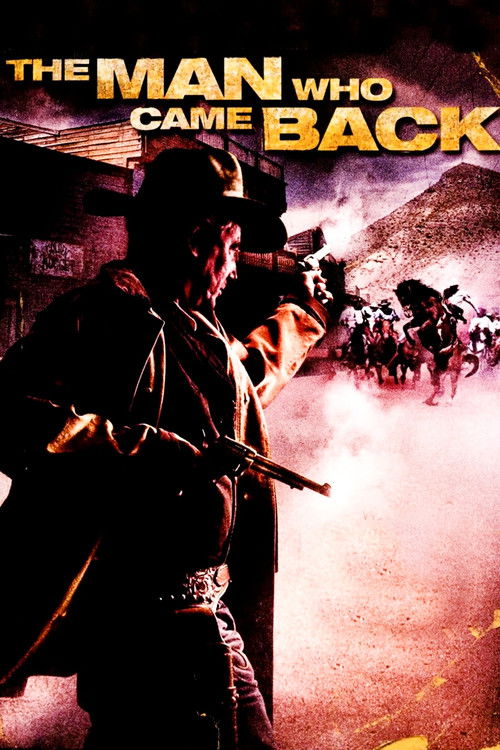
The Man Who Came Back
2008
No user ratings available yet
Representation score: 1.6 out of 10

Representation Score
Minimal
2008
PG-13Director
Wayne Shipley
Runtime
90 minutes
Average Rating
No ratings yetNew Showbiz Analysis
Come Hell or High Water (2008) opens with the rigid architecture of the post-Civil War frontier, where male honor is the only currency that matters. Director Wayne Shipley crafts a straightforward action-drama where Justin Gatewood’s quest for vengeance against William Curry dictates every beat. The film’s argument is simple: violence is the language of justice, and women are the collateral damage that binds men to their pasts. Helen and Juanita are not agents but prizes, their fates determined by the men who claim them. The camera lingers on the men’s faces during confrontations, treating their anger as legitimate and their violence as necessary. When the dust settles, the town’s hierarchy remains intact, with men restored to their rightful places and women relegated to the background. This is a conservative Western that sells the myth of the self-made man, where tradition is not questioned but reinforced. The ending offers no subversion, only the quiet affirmation of a world where power is earned through blood and maintained through silence.
Category Breakdown
No queer characters appear in this post-Civil War Western. The narrative relies entirely on heterosexual pairings and traditional gender roles. No same-sex intimacy or non-binary identities are depicted.
Men drive the plot through vengeance and authority. Women serve as emotional stakes or victims. Helen and Juanita lack independent agency or resolution.
Juanita Ruiz is the sole non-white character. She is positioned as a secondary figure in a predominantly white cast. Her presence does not challenge the white-centric power structure.
The film upholds post-Civil War hierarchies. Male honor and violent retribution are the primary moral drivers. Family loyalty reinforces conventional Western values without subversion.
No characters with physical, mental, or sensory disabilities are depicted. The narrative focuses on able-bodied physical confrontation and emotional endurance.
Present on Screen
Limited or Absent
Official Synopsis
Years in prison haven't erased Justin Gatewood's (Mark Redfield) quest for vengeance in this action-packed Western set in the post-Civil War era. Now that he's free, Gatewood still wants to destroy William Curry (Mike Hagan), the man responsible for his brother's death. As Gatewood involves the entire town in his bitter feud with Curry, both men's daughters (Jennifer Rouse and Kelly Potchak) find themselves caught in the middle.
2008
1976

2010
1971

1985
1975
2009

1958
No reviews yet. Be the first to share your thoughts on this movie!
Use the rating form above to leave a star rating and optional review.