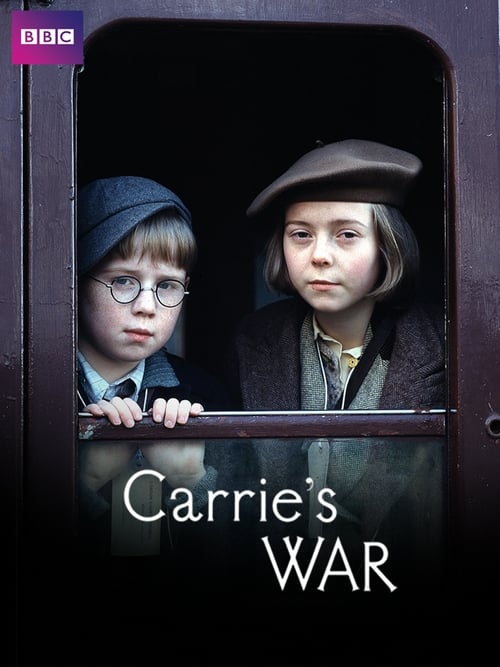
Carrie's War
2004
No user ratings available yet
Representation score: 1.2 out of 10
Representation Score
Minimal
2006
Not RatedDirector
Joyce Chopra
Runtime
85 minutes
Average Rating
No ratings yetNew Showbiz Analysis
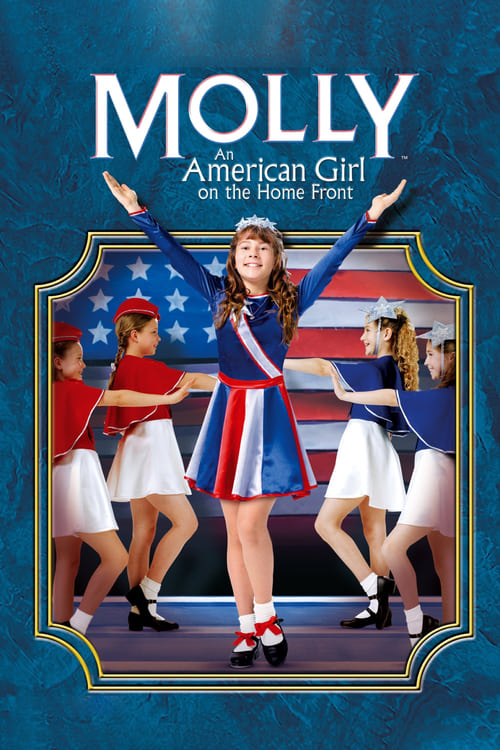
Molly: An American Girl on the Home Front is a historical drama that emphasizes the social changes brought about by World War II. It provides a detailed look at how women entered new labor roles due to wartime needs. However, the film is confined to a narrow demographic and social context, focusing on the specific socioeconomic conditions of the 1940s rather than exploring diverse experiences. Ultimately, the film upholds traditional values and community stability, reinforcing the social norms of the era without challenging them.
Category Breakdown
The film reflects the societal norms of 1944 and does not depict any non-binary gender identities or same-sex relationships.
The story highlights women's roles in wartime labor and their contributions to the war effort. However, it also emphasizes traditional domestic responsibilities and the importance of maintaining the family unit.
The cast primarily consists of white actors, representing a homogeneous middle-class American community of the 1940s. The film focuses on the specific social constraints faced during that time period.
The narrative centers around civic duty, resource conservation, and the stability of Western institutions. It underscores the value of community cohesion and the sanctity of the nuclear family.
There are no disabilities featured prominently in the storyline or character development.
Present on Screen
Limited or Absent
Official Synopsis
Molly is a girl living in the year 1944 and WWII has brought many changes to Molly's life. An English girl comes to live with Molly's family to escape the bombings. They slowly become good friends.
2004

1959

2014

1987

2018

2021

2004

1952
No reviews yet. Be the first to share your thoughts on this movie!
Use the rating form above to leave a star rating and optional review.