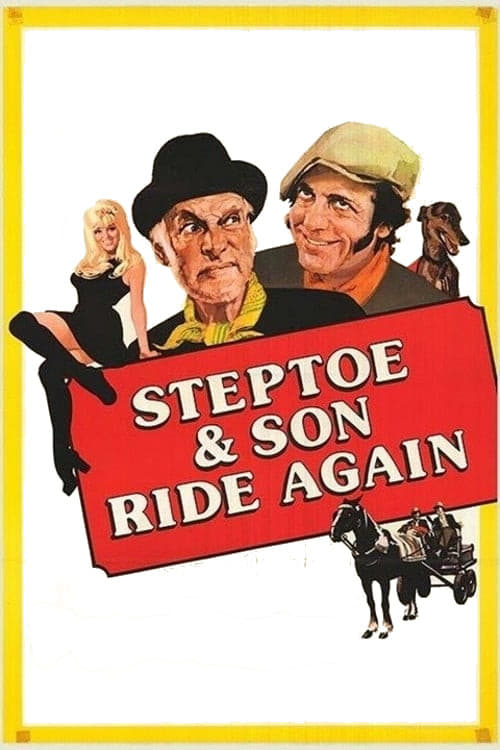
Steptoe & Son Ride Again
1973
No user ratings available yet
Representation score: 4.3 out of 10

Representation Score
Good
2000
Director
Park Dae-Yeong
Runtime
93 minutes
Average Rating
No ratings yetNew Showbiz Analysis
Just Do It! is a dark satire that prioritizes socio-economic critique over diverse representation. It challenges the integrity of legal and insurance institutions, presenting systemic deception as a survival tactic for the working class. However, the film lacks depth in representing diverse identities. It relies on traditional gender clichés and treats physical disability merely as a tool for profit, offering little insight into the lived experiences of those with disabilities. Ultimately, the film provides a culturally specific commentary on capitalism. While it succeeds in subverting institutional sanctity, it misses opportunities to offer meaningful representation for LGBTQ+ or multicultural audiences.
Category Breakdown
The film does not include explicit LGBTQ+ characters or dynamics that challenge the assumption that everyone is straight or cisgender. The story centers on a traditional family structure, but it uses deception to subvert social expectations.
Gender roles shift from the father to the daughter, who manipulates an investigator using her charm. This disrupts traditional hierarchies but relies on conventional gender clichés.
The cast is primarily Korean, reflecting the South Korean cultural context. The film focuses on socio-economic issues within this specific community, rather than featuring a diverse range of ethnicities.
The narrative criticizes capitalist and legal systems by portraying insurance fraud as a means to achieve homeownership. It promotes a moral relativism against systemic structures.
Physical injuries are used as plot devices for financial gain. The film treats impairment as a commodity rather than exploring the lived experiences of those with disabilities.
Present on Screen
Limited or Absent
Official Synopsis
Drowning in debt and evicted from their house, a family of four comfort themselves with a few drinks at a food cart. The drunken father stumbles off to take a leak and gets hit by a truck. Their saving grace? Insurance! They find themselves with a slightly injured father, a handful of insurance money, and an ingenious new way to get rich quick. One by one, they find new ways to hurt themselves, making enough money to buy their dream house. Their luck almost runs out when an insurance investigator finds out the truth, but with a beautiful daughter and a very loose dressing gown, the family traps him and forces him to marry her. All five of them are determined to get one last big payoff… life insurance. The only question is, who dies?
1973
2018
2008

1976
2001

2013
2003
1998
No reviews yet. Be the first to share your thoughts on this movie!
Use the rating form above to leave a star rating and optional review.