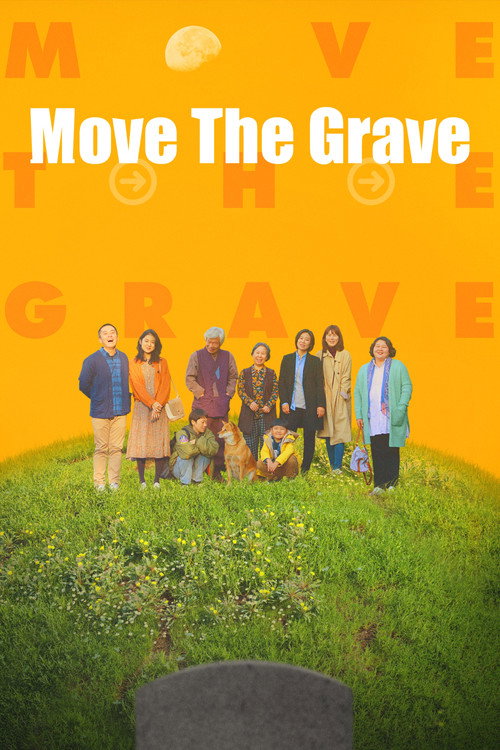
Move the Grave
2020
No user ratings available yet
Representation score: 5.7 out of 10

Representation Score
Fair
2003
Director
Kim Yong-hwa
Runtime
109 minutes
Average Rating
No ratings yetNew Showbiz Analysis
Oh! Brothers explores the fragmentation of the traditional family unit through the lens of inherited debt and abandonment. It moves away from idealized domestic portrayals to examine the messy realities of kinship and social obligation. The film's strength lies in its deconstruction of the 'perfect family' cliché. By focusing on a father who left his family, the story highlights the fragility of social structures and the moral ambiguity required to survive systemic pressures. However, the film remains limited by its narrow focus. It lacks multi-layered depth, offering little representation regarding LGBTQ+ identities or significant racial diversity, remaining largely within a homogeneous cultural context.
Category Breakdown
The film does not include explicit representations of LGBTQ+ identities or queer narratives. The plot centers on the legal and biological complexities of kinship and debt.
A maternal figure's return disrupts the traditional patriarchal household structure. However, the central conflict revolves around male clichés of burden and paternal debt.
As a South Korean production, the film operates within a culturally homogeneous framework. It focuses on internal social stratification and lineage rather than racial blending.
The narrative critiques the stability of traditional family institutions by centering on abandonment and debt. It explores situational ethics and moral relativism over rigid codes.
There is no evidence that disability or neurodivergence plays a central role in the narrative arc.
Present on Screen
Limited or Absent
Official Synopsis
After the death of his father who had left the house and his family, his debt was inherited by Sang-woo who is unable to cope with the debt. So he finds another heir, a half-brother and his mother, to fend off the debt of his father.
2020

2018

2023
2009

2013

2022
1992

2017
No reviews yet. Be the first to share your thoughts on this movie!
Use the rating form above to leave a star rating and optional review.