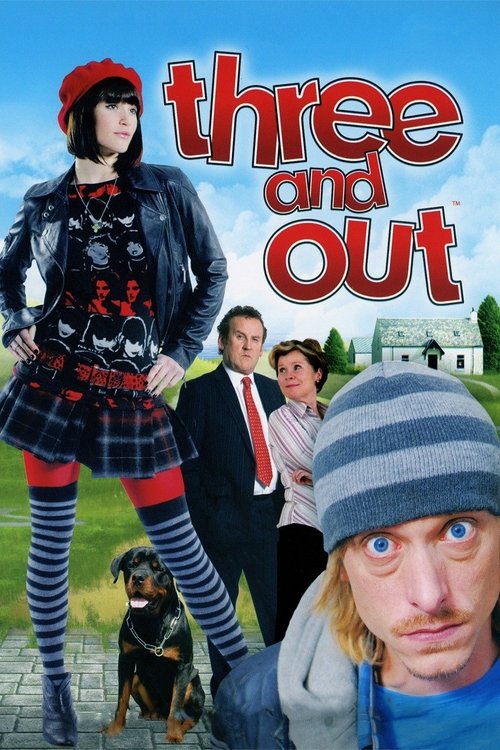
Three and Out
2008
No user ratings available yet
Diversity score: 2.1 out of 10
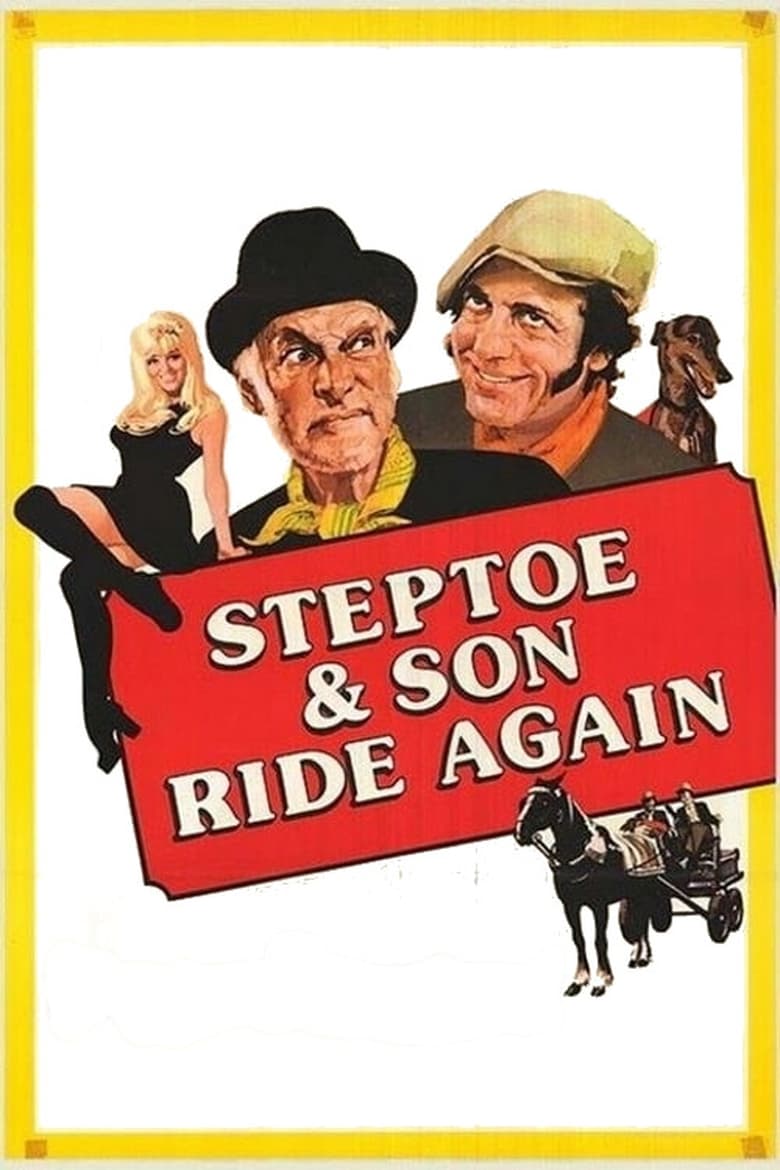
1973
Director
Peter Sykes
Runtime
99 minutes
Average Rating
No ratings yetSynopsis
Albert Steptoe and his son Harold are rag-and-bone men, complete with horse and cart to tour the neighbourhood. They also live amicably together at the junk yard. Always on the lookout for ways to improve his lot, Harold invests his father's life savings in a greyhound who is almost blind and can't see the hare. When the dog loses a race and Harold has to pay off the debt, he comes up with another bright idea. Collect his father's life insurance. To do this his father must pretend to be dead.
Overall Score
Limited
Category Breakdown
LGBTQ+ Representation
The story focuses on the intense, codependent bond between a father and son. There is no explicit mention of queer identities or non-heteronormative characters.
Gender Representation
The film centers on a male-dominated domestic sphere. The plot revolves around patriarchal dynamics and financial manipulation rather than subverting traditional gender roles.
Racial & Ethnic Diversity
The setting appears to be a homogeneous British working-class environment. There is no evidence of a multi-ethnic cast or diverse racial identities.
Religious & Cultural Diversity
The narrative explores economic desperation within a capitalist framework. It depicts situational morality driven by necessity rather than a systemic critique of institutions.
Disability Representation
A nearly blind greyhound serves as a central plot device. The animal's impairment drives the financial conflict rather than providing agency to human characters.
Strengths
Areas for Improvement
AI Analysis
Steptoe & Son Ride Again is a character-driven drama that remains firmly rooted in the demographic norms of early 1970s Britain. The narrative is narrow, focusing almost exclusively on the domestic tension and financial struggles of a father and son. Because the story prioritizes this specific, localized working-class conflict, it lacks meaningful representation of different races, genders, or sexual orientations. The world presented is homogeneous and centered on traditional patriarchal structures. While the film uses a physical impairment as a plot catalyst, it does not explore disability through a lens of human agency or neurodiversity. The result is a film that reflects the social constraints of its era.
2008
2018

2016
1940
2019
1972
1991

2014
No reviews yet. Be the first to share your thoughts on this movie!
Use the rating form above to leave a star rating and optional review.