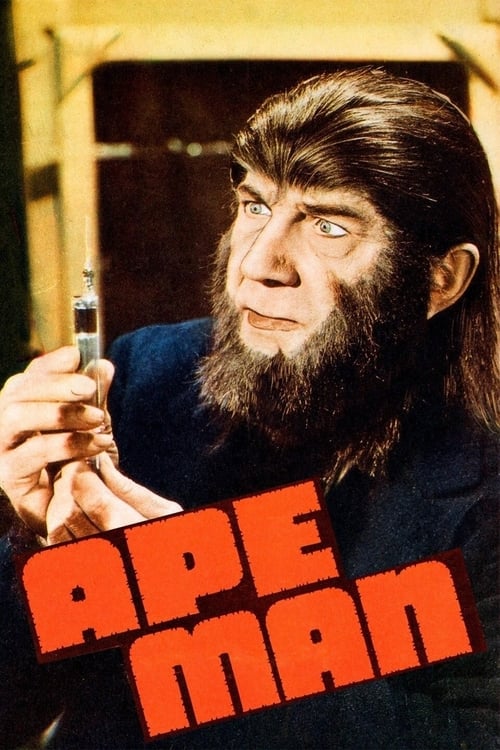
The Ape Man
1943
No user ratings available yet
Representation score: 3.4 out of 10
Representation Score
Minimal
1940
ApprovedDirector
Jean Yarbrough
Runtime
68 minutes
Average Rating
No ratings yetNew Showbiz Analysis
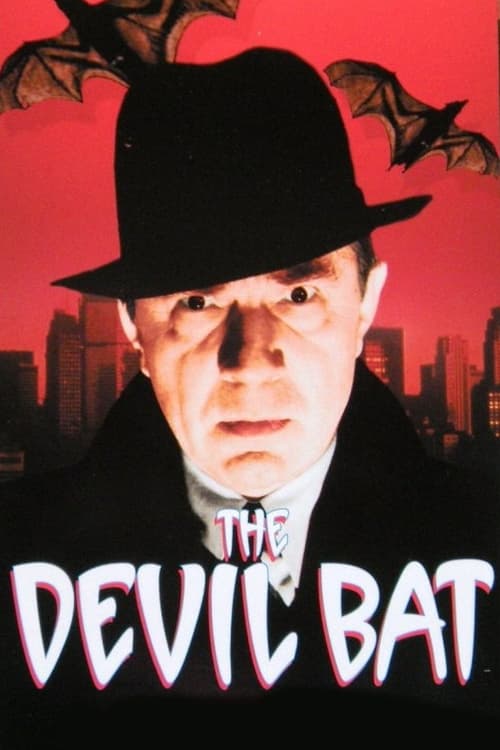
The Devil Bat is a classic product of its era, adhering to the social and demographic norms of 1940s Hollywood. It emphasizes established genre clichés, such as the mad scientist and the investigative reporter, over narrative subversion. The film does not intentionally address multiple aspects of identity. It operates within a standard social framework that reinforces the era's norms rather than challenging them. Ultimately, the production serves as a typical genre piece that upholds the status quo of its time, lacking diverse perspectives or social critique.
Category Breakdown
The film adheres to a traditional framework where everyone is assumed to be straight and cisgender. There are no representations of non-cisgender gender identities or same-sex relationships.
Gender roles in the film follow conventions typical of the 1940s. Mary Heath, a central character, is primarily defined by her relationships to men and her status as a target.
The cast and setting reflect the demographic uniformity of early 1940s productions. The narrative does not include characters of color who have significant influence or control over events.
The film upholds traditional Western structures and morality. The conflict centers on individual grievances and scientific arrogance, rather than a broader critique of systemic issues.
There are no visible depictions of physical or neurodivergent disabilities. Characters operate within a standard paradigm of able-bodiedness.
Present on Screen
Limited or Absent
Official Synopsis
Dr. Paul Carruthers is frustrated because he thinks his employers, Mary Heath and Henry Morton, have cheated him out of the company's profits. He decides to get revenge by altering bats to grow twice their normal size and training them to attack when they smell a perfume of his own making. He mixes the perfume into a lotion, which he offers as a gift to Mary and Henry. When they turn up dead, a newspaper reporter decides to investigate.
1943
1936
1949
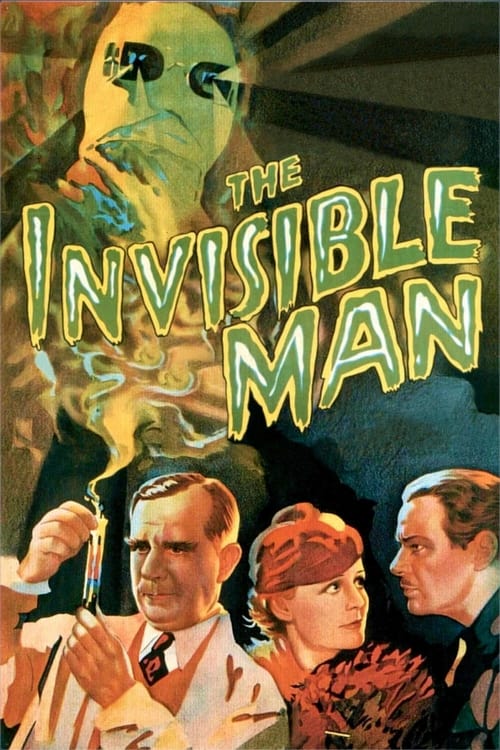
1933
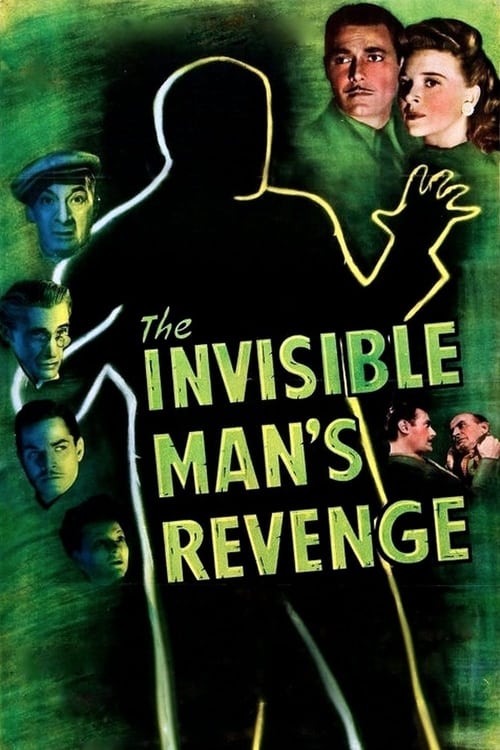
1944
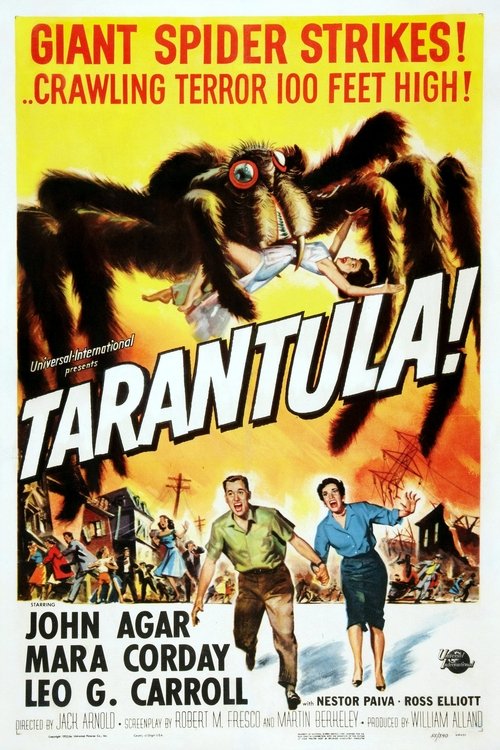
1955
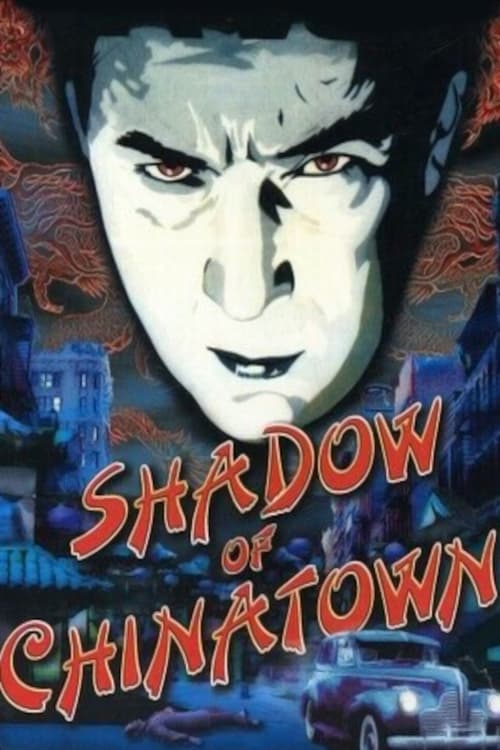
1936
1940
No reviews yet. Be the first to share your thoughts on this movie!
Use the rating form above to leave a star rating and optional review.