
Teppanyaki
1984
No user ratings available yet
Diversity score: 4.8 out of 10
1978
Director
Michael Hui Koon-Man
Runtime
96 minutes
Average Rating
No ratings yetSynopsis
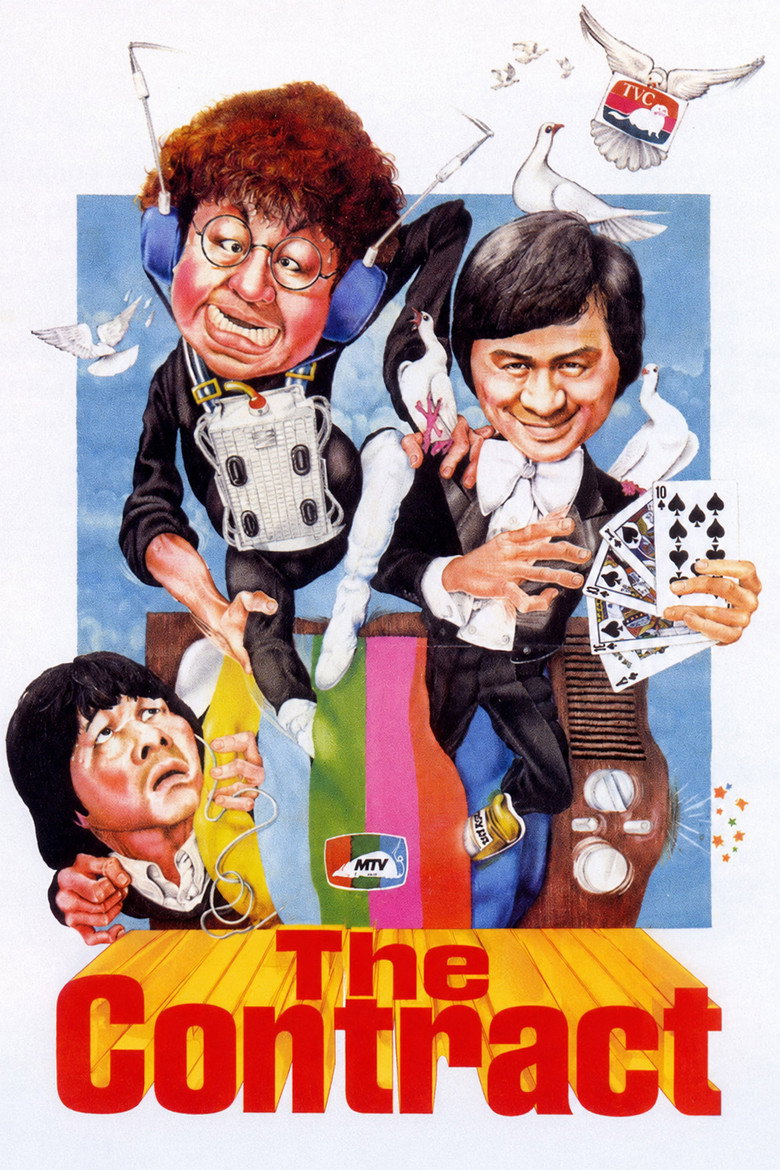
Struggling actor Chih-Wen (Michael Hui) got a raw deal from his company, MTV Studios. He signed a binding 8-year contract with the studio and was only given one opportunity to perform live thus far. Soon, he received a better deal with a rival company, who promised a 5-year contract and better opportunities to perform and make money. Since he cannot start working for the new company because of his current 8-year contract with MTV, he and his scientist-aspiring brother (Ricky Hui), with the help of magician Shih-Chieh (Sam Hui), attempt to steal the contract from his ruthless manager.
Overall Score
Fair
Category Breakdown
LGBTQ+ Representation
The film lacks any evidence of LGBTQ+ characters or narratives. The story focuses entirely on fraternal bonds and professional rivalries.
Gender Representation
The narrative centers on a male-dominated entertainment industry and male familial ties. It adheres to traditional gender hierarchies, focusing on male agency and competition.
Racial & Ethnic Diversity
The film features a predominantly Cantonese cast within a culturally homogeneous framework. It represents a non-Western cinematic tradition typical of the era.
Religious & Cultural Diversity
The plot offers a sharp critique of capitalist structures and predatory legal agreements. It frames minor criminality as a tool for liberation from exploitative corporate entities.
Disability Representation
There is no evidence of characters with visible or invisible disabilities being portrayed with agency in this work.
Strengths
Areas for Improvement
AI Analysis
The Contract serves as a social satire that critiques the dehumanizing nature of corporate contracts and institutionalized capitalism. It uses the 'little man' archetype to highlight the struggle against rigid, predatory systemic structures. While the film provides a meaningful critique of professional hierarchies, it lacks modern intersectional markers. The narrative is heavily centered on male-driven plots and traditional social dynamics of 1970s Hong Kong. Ultimately, the film's strength lies in its systemic critique rather than its demographic breadth. It remains a product of its time, prioritizing social commentary on labor over diverse identity representation.
1984
1974

1992
1981

1978
1976
1983
1988

2006

2014
1987

1962
No reviews yet. Be the first to share your thoughts on this movie!
Use the rating form above to leave a star rating and optional review.