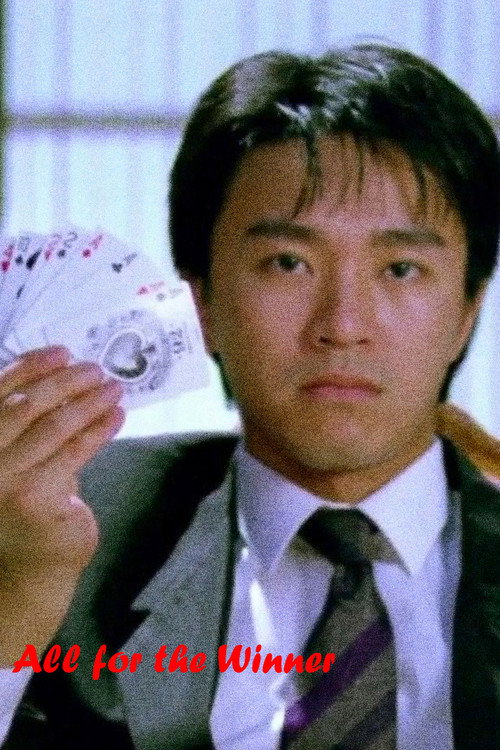
All for the Winner
1990
No user ratings available yet
Representation score: 4.2 out of 10

Representation Score
Fair
1992
Director
Michael Hui Koon-Man
Runtime
100 minutes
Average Rating
No ratings yetNew Showbiz Analysis
The Magic Touch is a character-driven comedy that emphasizes slapstick humor and supernatural elements over social commentary. While it satirizes the tension between individual opportunism and state authority, it adheres to traditional comedic structures. The film heavily relies on established clichés, especially those related to gender and sexuality. The narrative follows conventional paths, such as marital infidelity and domestic conflict, without challenging systemic hierarchies or representing diverse identities. Overall, the film reflects its specific production context in Hong Kong. It uses disability and social roles as plot devices rather than for deeper, progressive representation.
Category Breakdown
The film does not include any LGBTQ+ characters or stories. The main plot revolves around traditional marital issues, sticking to conventional heterosexual themes.
Women play secondary roles in family disputes, mainly reacting to marital problems. However, the wife's response drives the male protagonist's journey.
The cast and setting are ethnically uniform, reflecting the demographics of 1992 Hong Kong. It does not showcase diverse casting.
The story examines tensions between state institutions and individuals. It presents a cynical view of institutional integrity without a broader systemic critique.
A brain injury and coma serve as a plot device for supernatural transformation. The film does not explore physical disabilities or neurodivergence in depth.
Present on Screen
Limited or Absent
Official Synopsis
Hui Wai Tak tells people's fortunes by feeling their bones. In reality though, he is a scam artist who gathers information on his clients in advance and uses it to milk them for money. When the wife of Commissioner David Ho of the Inland Revenue Department (IRD) comes to see him, he reveals that her husband is cheating on her. After facing the wrath of his wife, Ho decides to get revenge and sends junior assessor Yau Ho Kay to investigate Hui's income. During the investigation, Hui sustains a brain injury and slips into a coma. After he wakes up, he suddenly discovers that he has gained the real ability to see people's futures.
1990
1989
1991
2006
1978

1994
1974
1991
No reviews yet. Be the first to share your thoughts on this movie!
Use the rating form above to leave a star rating and optional review.