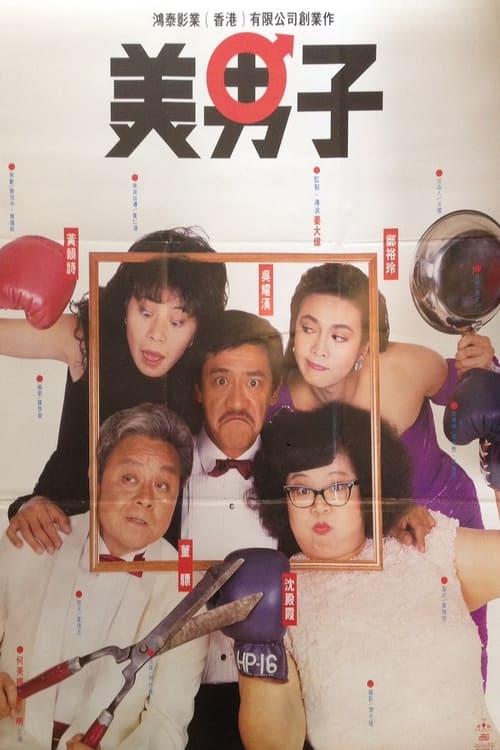
Mr. Handsome
1987
No user ratings available yet
Representation score: 5.3 out of 10
Representation Score
Fair
1984
Director
Michael Hui
Runtime
91 minutes
Average Rating
No ratings yetNew Showbiz Analysis
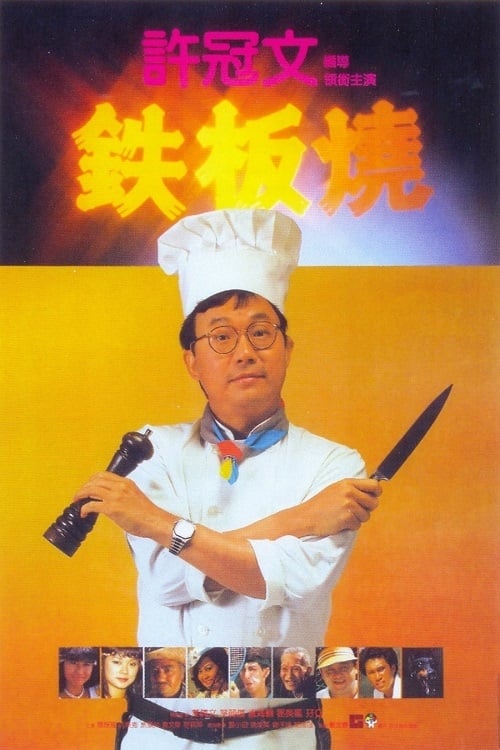
Teppanyaki serves as a social satire that challenges the stability of traditional domestic hierarchies. It disrupts the expectation of a harmonious patriarchal family by framing domestic roles as sites of personal dissatisfaction. The film provides a localized cultural lens that offers a non-Western perspective. However, it remains limited by the era's conventional character archetypes and a lack of diverse identity politics. While the work is culturally specific and mildly subversive of social norms, it lacks representation for LGBTQ+ identities and characters with disabilities.
Category Breakdown
The film does not include any explicit LGBTQ+ characters or non-straight relationships. It focuses on traditional romantic longing and domestic conflicts.
Female characters are portrayed through clichés of domestic aggression, acting as overbearing or sadistic figures. While this challenges the traditional patriarchal provider archetype, it lacks complex female roles.
The film offers a non-Western perspective typical of Hong Kong cinema. Although the cast is ethnically homogeneous, it operates outside Anglo-Saxon cultural dominance.
The story deconstructs the ideal family unit by portraying the domestic sphere as a source of misery. It critiques systemic social pressures through the protagonist's escapism.
There is no mention of characters with visible or invisible disabilities within the narrative.
Present on Screen
Limited or Absent
Official Synopsis
Mr. Wong (Michael Hui) is the chief chef in a Teppanyaki restaurant. His overbearing wife and sadistic father-in-law make his home life a misery, so he spends all day dreaming about his dream girl, Sissy (Sally Yeh). When she comes into the restaurant, Wong seizes the opportunity and arranges to take her on a tour of the Paradise Island. Unfortunately, his wife and her friend go with him.
1987
1992

1988

1994

1988
1987
1979

1990
No reviews yet. Be the first to share your thoughts on this movie!
Use the rating form above to leave a star rating and optional review.